
After Queenstown, we took a bus ride across the picturesque Otago region to Dunedin, a city on the Pacific (eastern) coast of New Zealand’s South Island. We stopped in Dunedin for a day during our New Zealand-to-Australia cruise in 2013, and we were eager to return to discover more of the city.
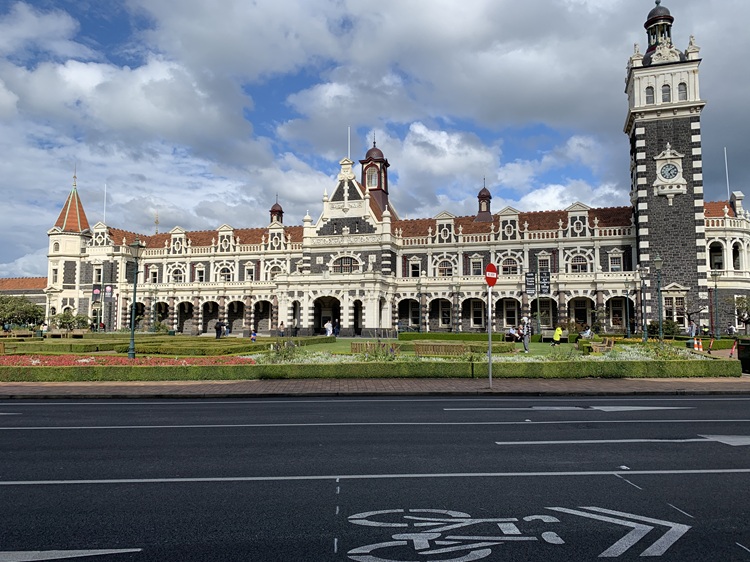
Dunedin’s name comes from Dùn Èideann (“fort of Edin”), the Scottish Gaelic name for Edinburgh, the capital of Scotland. The Scottish settlement was established in 1848, and between 1855 and 1900, many thousands of Scots emigrated here. The city retains its Scottish character in the architecture of some of its buildings, such as its handsome train station.
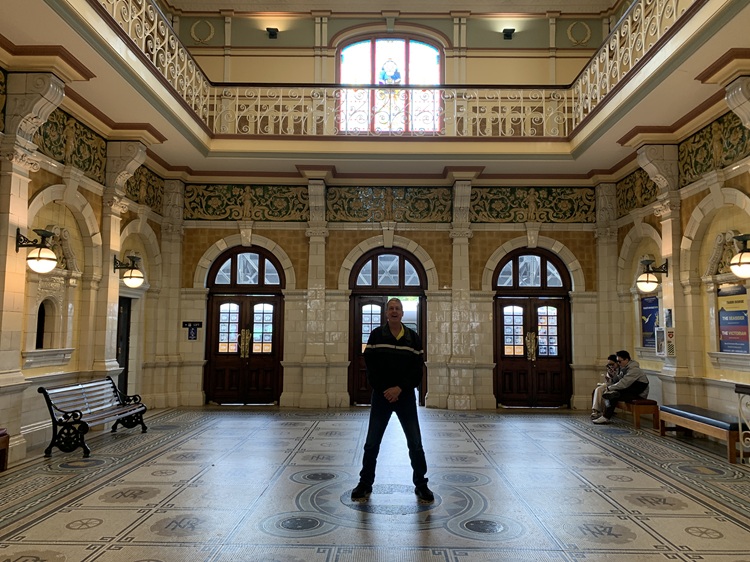
The center room of the train station, while small, is beautifully designed.
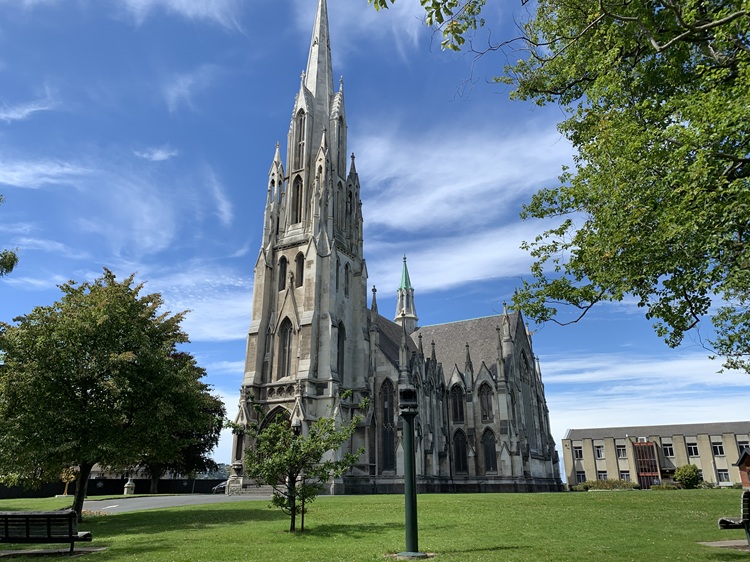
The First Church of Otago (Presbyterian), two blocks from the train station, is regarded as the most impressive of New Zealand’s nineteenth-century churches. We saw the interior during our 2013 visit, so we only took a photo this time.
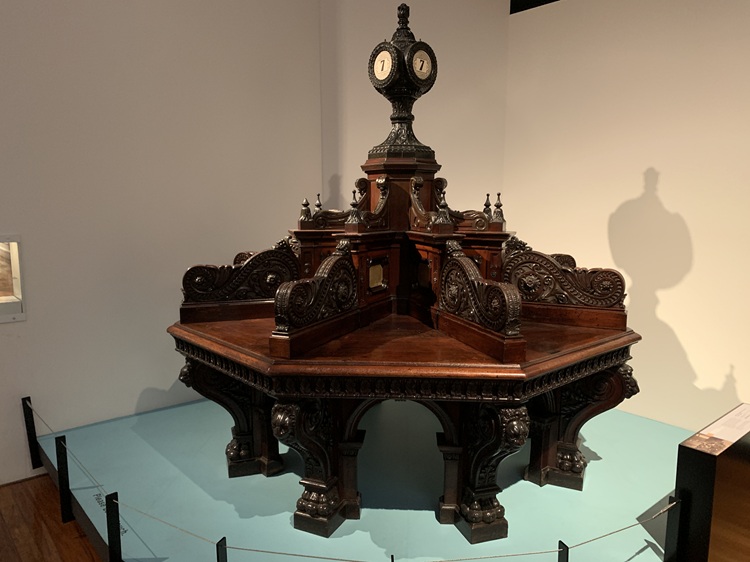
We visited the Toitū Otago Settlers Museum. As its name implies, the museum tells the story of Dunedin and its surrounding districts chronologically from the first encounters between southern Māori and Europeans in the late 18th century up to the present day. 
The museum presents slices of life across different eras, with furnishings, fashion, appliances, transportation, and technological developments representing each period.
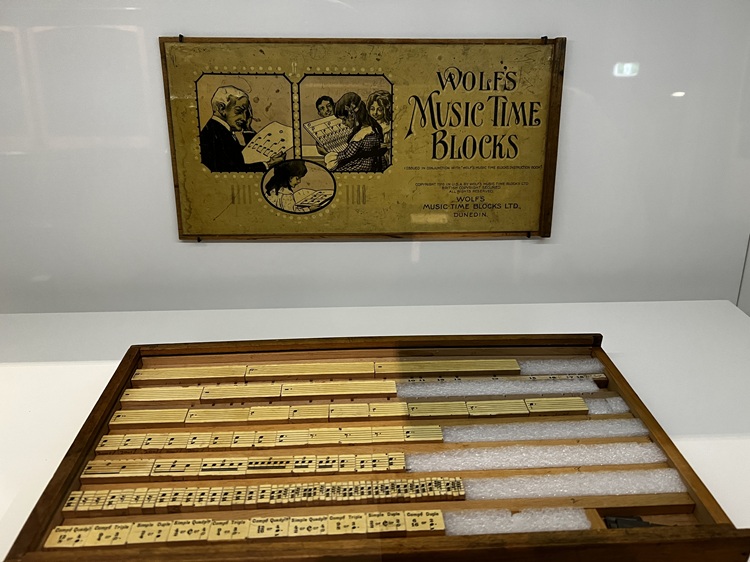

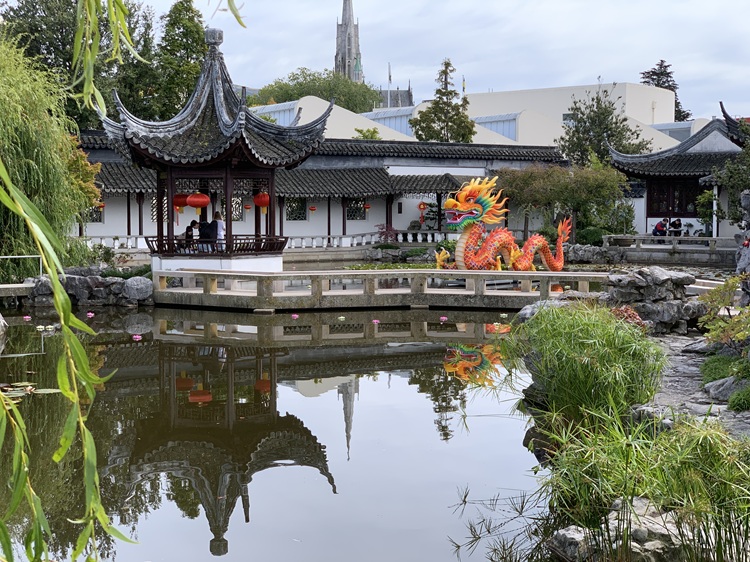
The exit from the Toitū Otago Settlers Museum was next to the entrance to Lan Yuan, the Dunedin Chinese Garden, making a convenient segue.
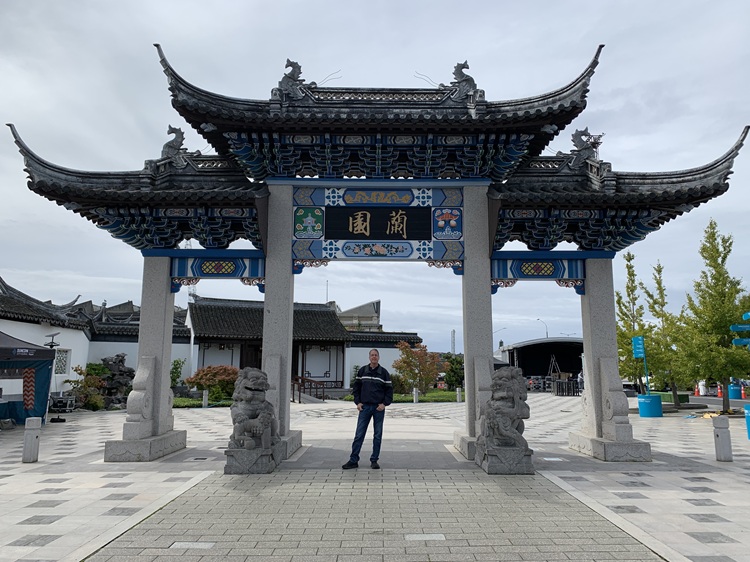
The garden commemorates the contribution of Chinese people to the history and culture of Dunedin. The city has long had a Chinese population, with many Cantonese people settling in and around Dunedin at the time of the Otago gold rush in the 1860s, 15 years after the city was founded.
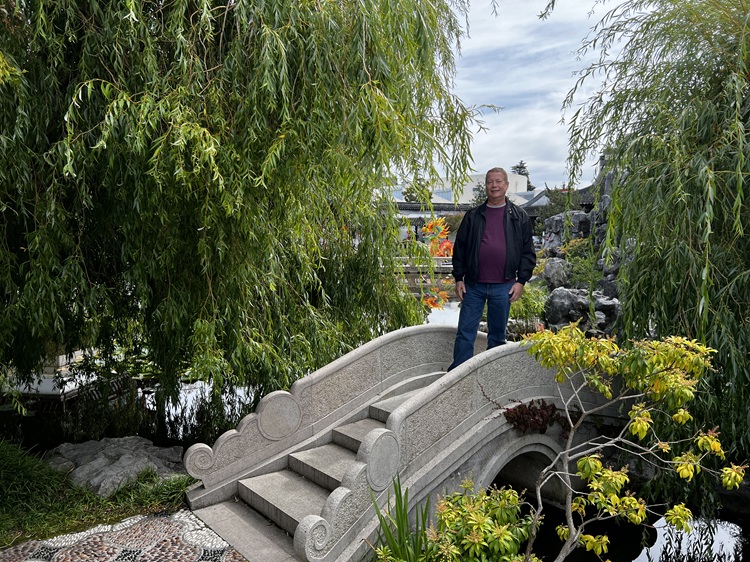
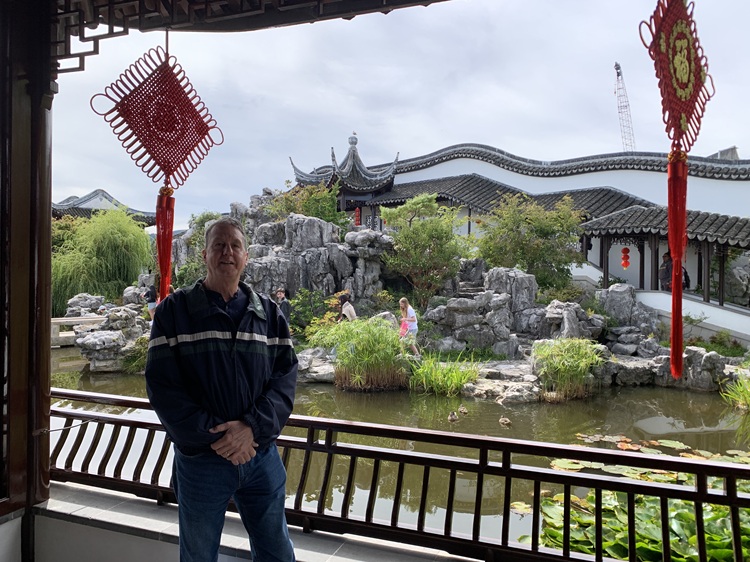
Construction and design were closely supervised by the Shanghai Museum and architects from that city. Much of the garden was pre-fabricated in Shanghai on a site identical to that in Dunedin, then dismantled and re-assembled in New Zealand with the help of Shanghai artisans. About 40 workers, artisans, and support staff from Shanghai, including two cooks, came to New Zealand under special work visas for the initial construction phase of the garden. Almost 1000 tons of rock from Lake Tai in China was imported to New Zealand for the construction.
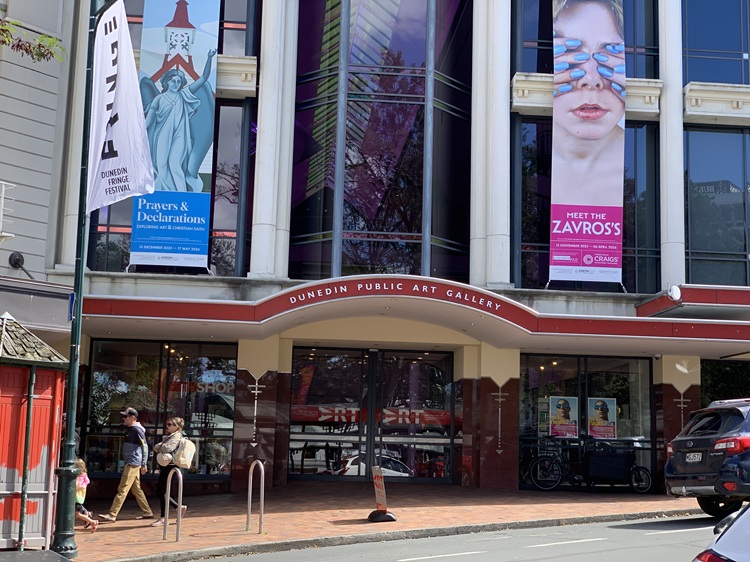
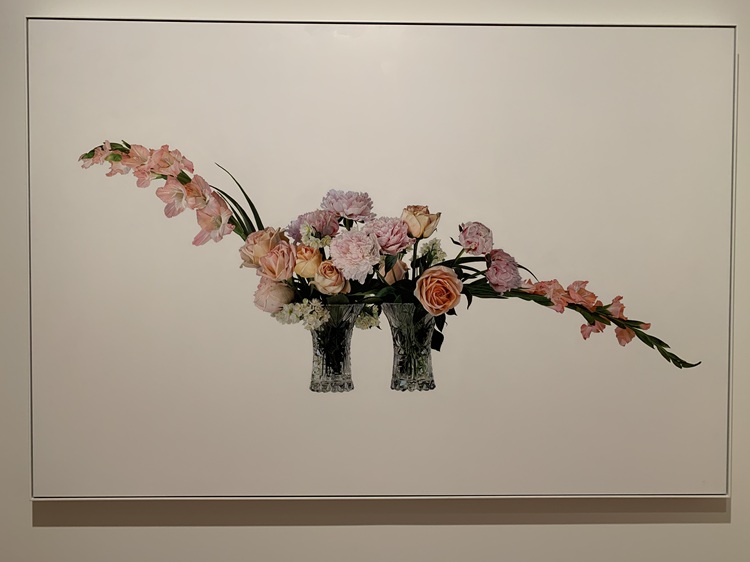
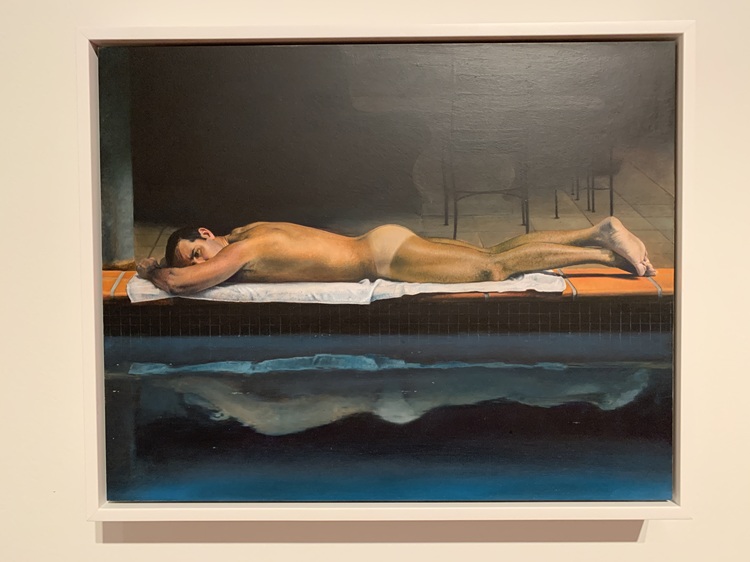
We visited the Dunedin Public Art Gallery, which, like the Toitū Otago Settlers Museum, was free.
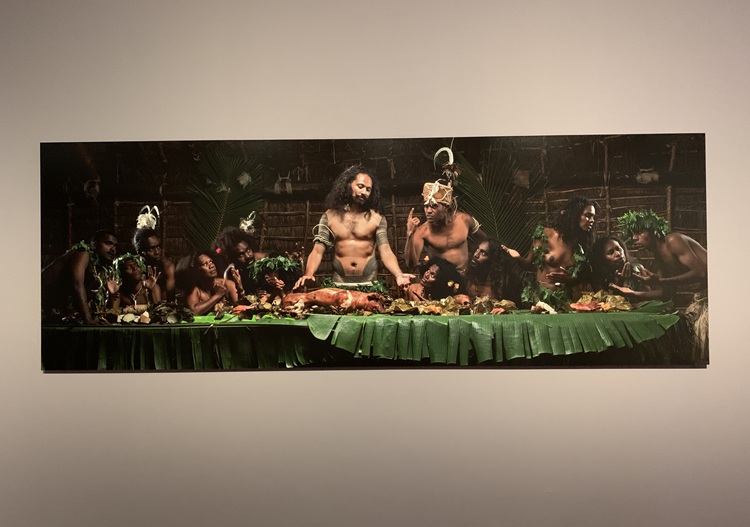
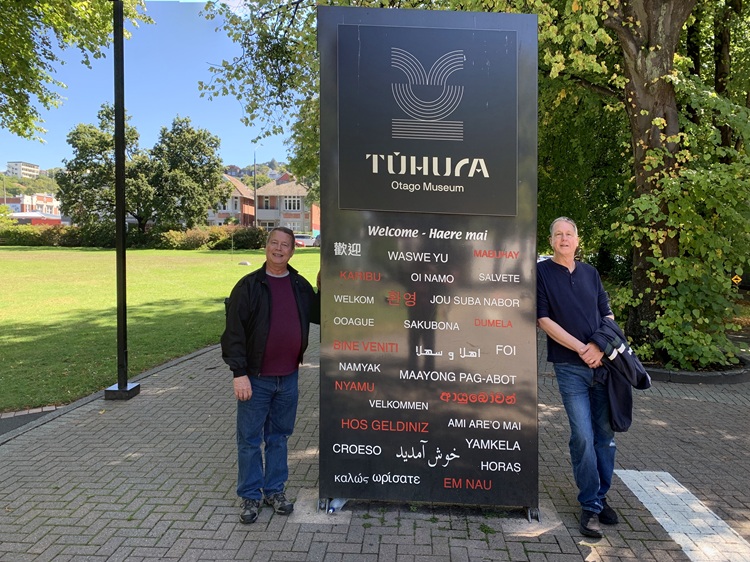
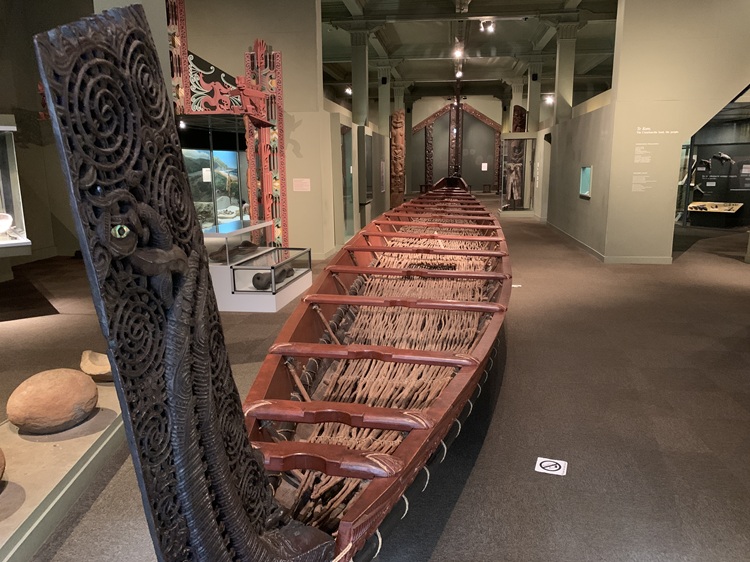
The Tuhura Otago Museum was focused on science, culture, and nature.
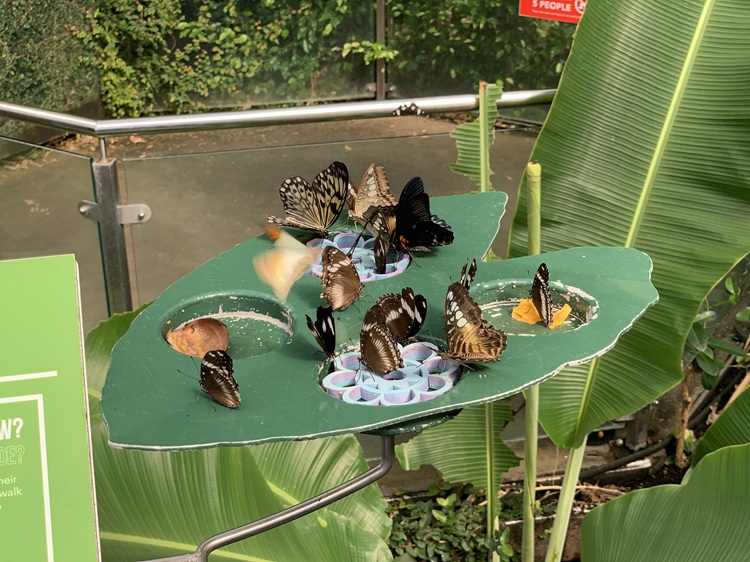
We were enthralled with their immersive butterfly garden.
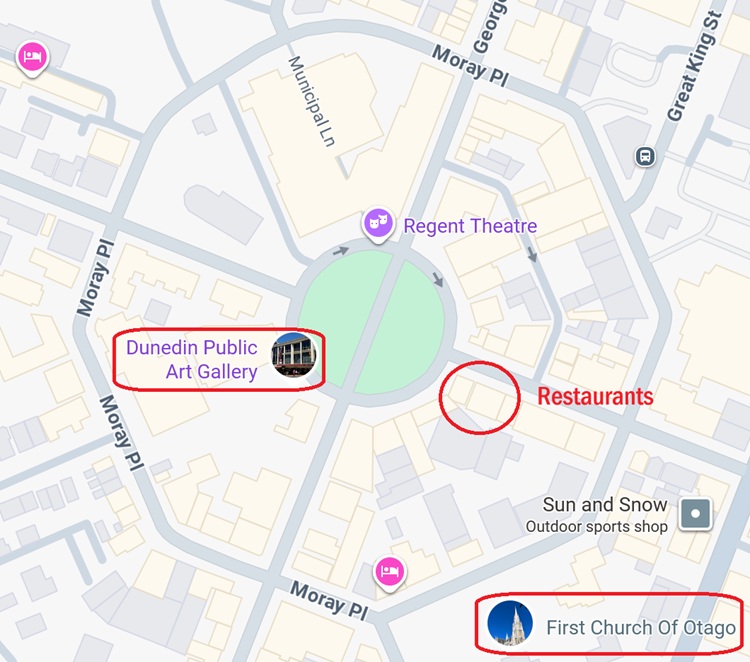
Dunedin is home to the University of Otago, New Zealand’s oldest university and one of its largest, giving Dunedin the vibe of a college town. The center of town features restaurants and bars that cater to both the university and the business community. After our challenges with finding good restaurants in downtown Auckland and the overpriced, touristy places in Queenstown, we were pleased to find a couple of restaurants with a comfortable, relaxed atmosphere, delicious food and drinks, friendly staff, and reasonable prices.


We liked Biggie’s Pizza so much that we returned the next night. The restaurant offered a Teapot Cocktails menu. These cocktails are served in actual teapots! This tradition began during Prohibition (which New Zealand had at about the same time as the US), as an attempt to disguise cocktails as tea.


The center of Dunedin is known as The Octagon, the reason for which is obvious when you look at a map. The train station, the Toitū Otago Settlers Museum, and Lan Yuan, and the Dunedin Chinese Garden are two blocks southeast of the Octagon.
As we were walking around the center circle, Jeff noticed a dragon float, which was apparently the end of a parade, perhaps for celebrating the Chinese New Year.
Dunedin is an interesting city whose history is still reflected in its architecture and culture today. It’s also a likeable, relaxed place we enjoyed visiting a second time.