
The third destination on our 2026 Spain tour was Málaga, the hub of Spain’s Costa del Sol. It felt vibrant and upbeat, a place where modern life lives comfortably among the old buildings. It’s very walkable and has a good mass transit system with buses and subways. There’s plenty to see and do, both modern and historic. Our apartment was especially nice, which always helps ensure an enjoyable visit.
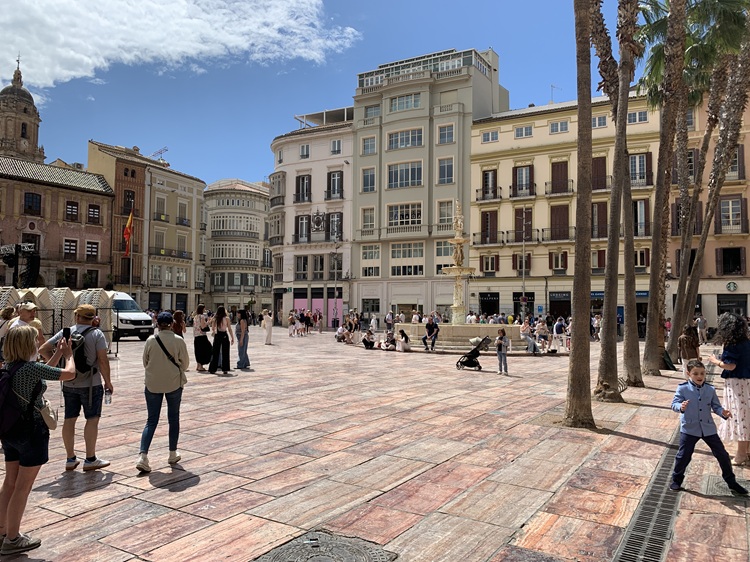
We passed through Plaza de la Constitución several times.
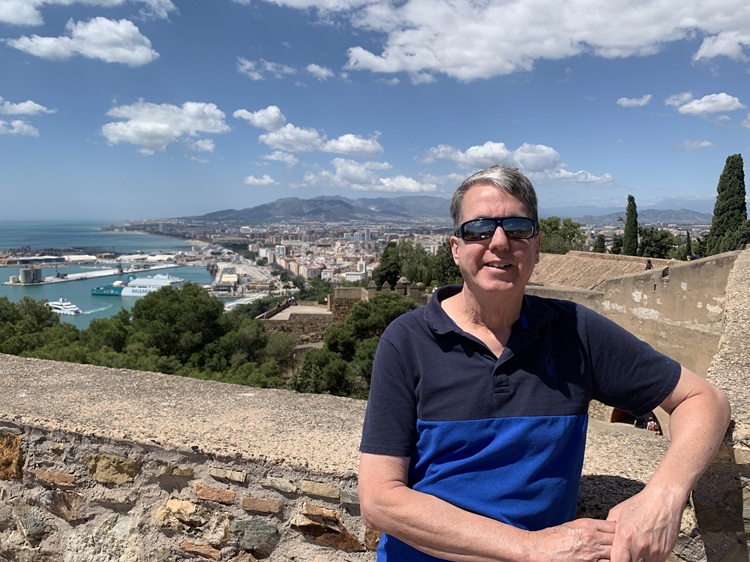
The Gilbralfaro Castle, or what remains of it, sits on a hilltop overlooking the city. Today, it provides a scenic vantage point for admiring the city, the beaches, and the harbor. We took a bus; many intrepid (and younger) people hiked the long walkway to the top.
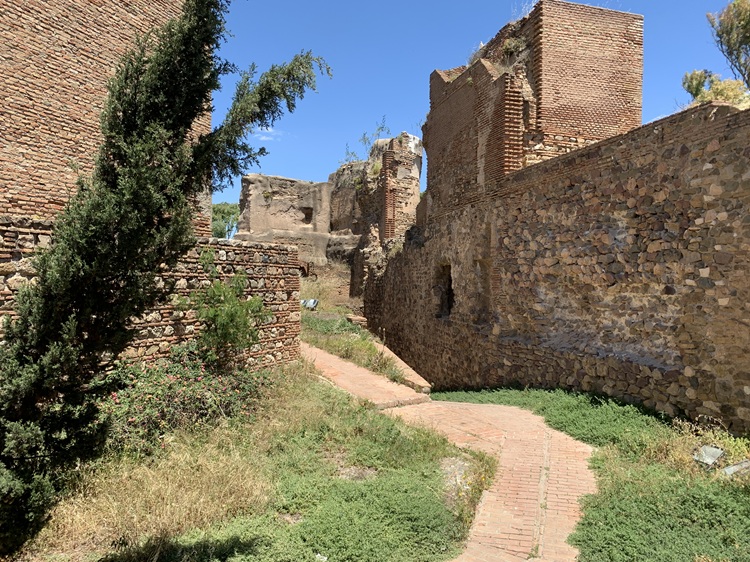
Here is part of what remains of Gilbralfaro Castle.
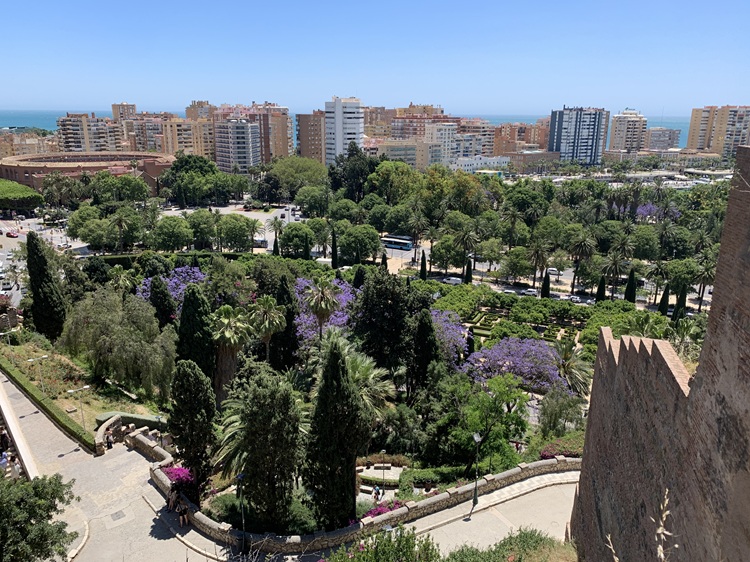
We stopped to admire this view on the way down the path to the Alcazaba, a Moorish-style medieval fortress overlooking the sea, which was originally built to defend the city.
This Roman Theater sits at street level below the Alcazaba.
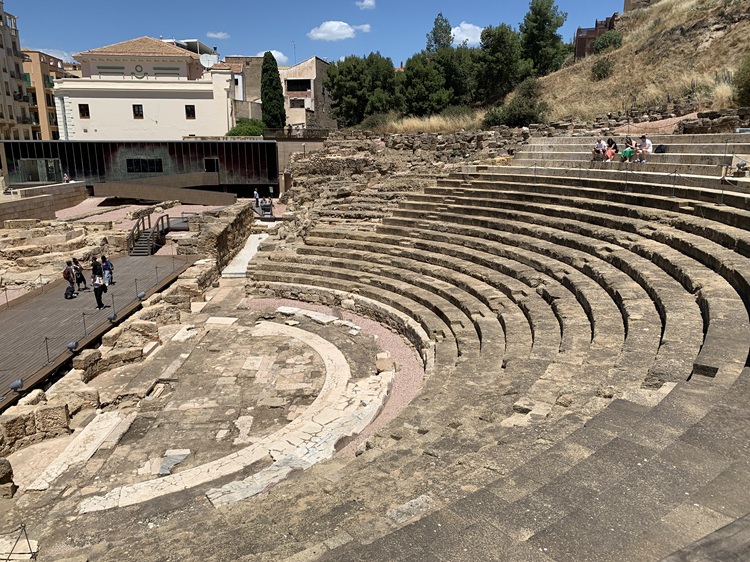
During our travels, we’ve learned that the well-known, “must-see” attractions are often crowded and disappointing, while the less-known, less-visited places are often the most rewarding. This was certainly the case in Málaga.
Málaga is the birthplace of Pablo Picasso, so naturally, there is a Picasso Museum. We bought our timed-entry tickets several weeks in advance, as advised, because, well… it’s Picasso! We arrived at the appointed time and joined the throngs of people shuffling through the museum like herded cattle. The crowd wasn’t horrible, but it was still challenging to get a good picture without people in the way or to read a description placard next to a painting. We got a precious few seconds to look at each work before dutifully moving along so the next people could see it.
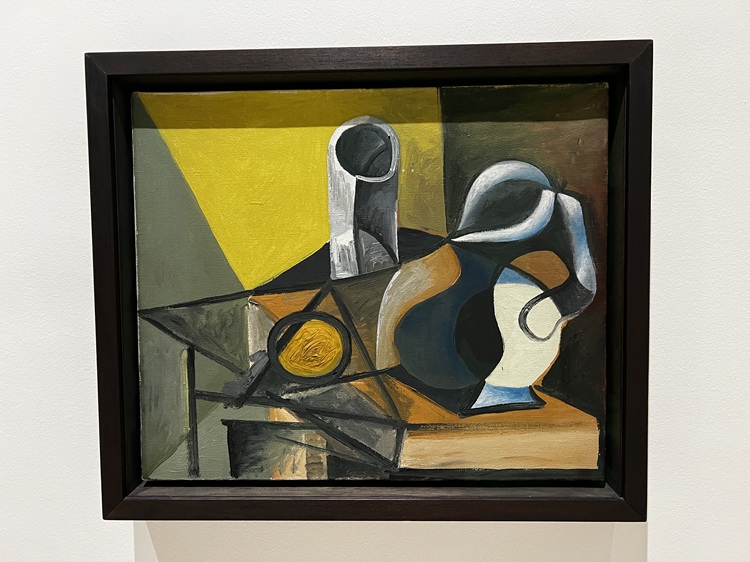
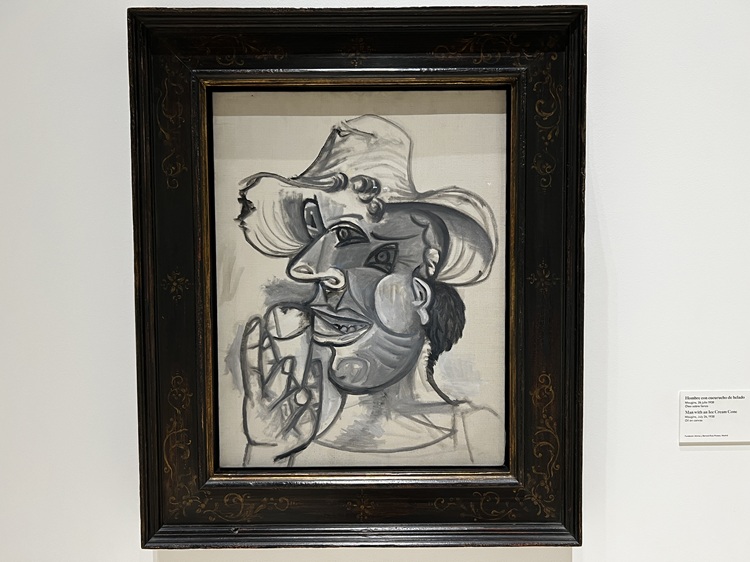
Honestly, we weren’t impressed. Picasso is a talented artist, to be sure, but as his career progressed and his fame increased, his work became progressively more bizarre. Admittedly, there’s value in pushing the envelope and expanding artistic creativity into new territories, but, at least for us, much of his later work was just too weird to enjoy. Here’s one example, and it got much weirder than this.
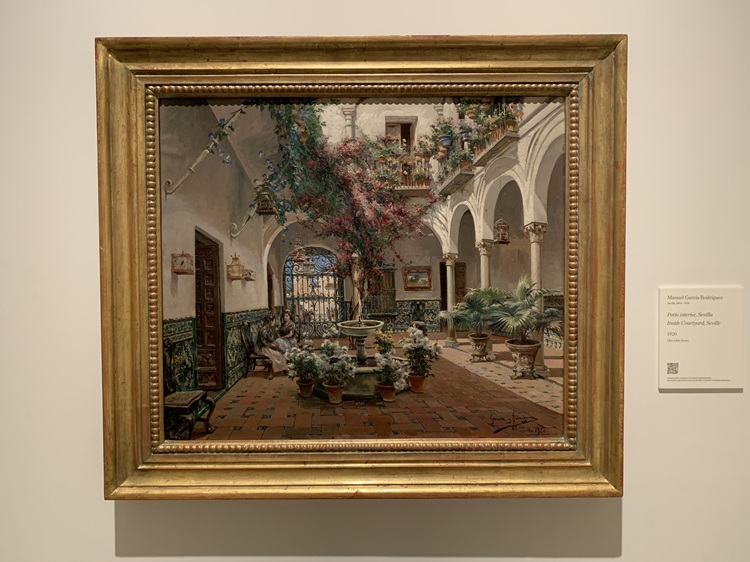
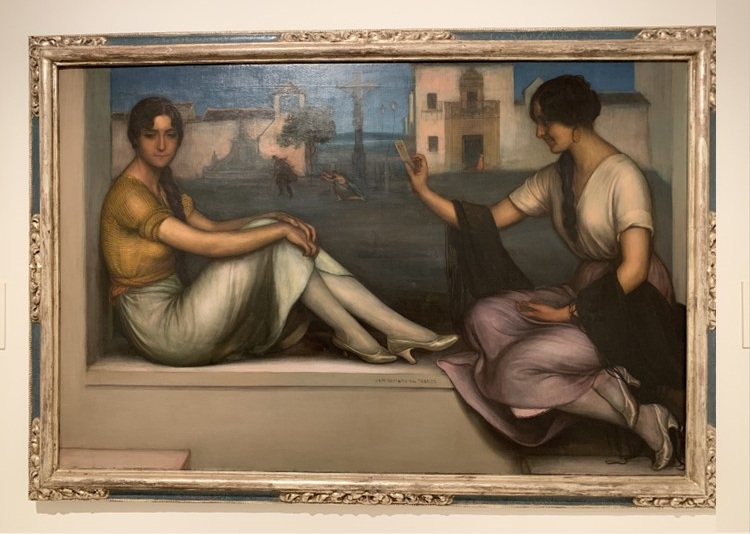
Next, we visited the Carmen Thyssen Museum, several blocks away. It was practically empty. Sometimes we had a room to ourselves; other times, only a few others would be present. Nobody got in anyone else’s way, and we could take as much time as we wanted to admire each work.
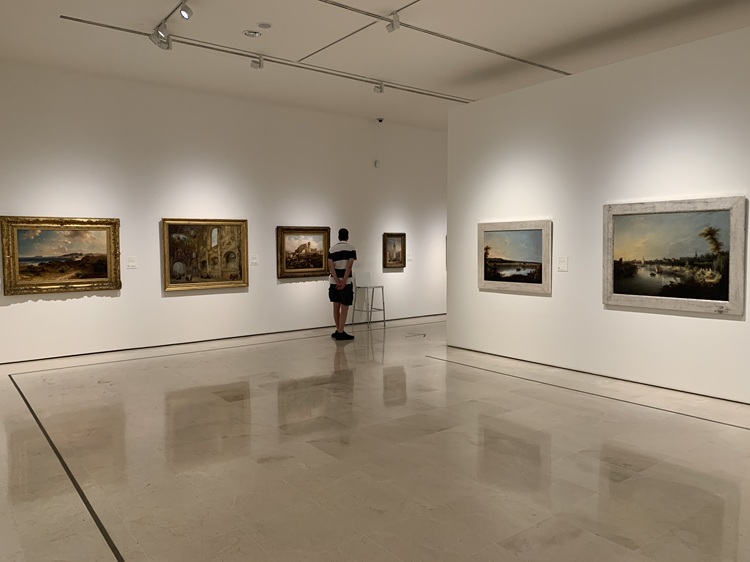
More importantly, the art was much better! The Carmen Thyssen Museum features works by relatively unknown Andalusian artists. They possessed admirable artistic skill, and many of their works portrayed people and places in Andalusia, particularly Málaga and Sevilla. In addition to admiring skillful art, it gave us a good insight into what life in Andalusia was like 150 to 200 years ago.
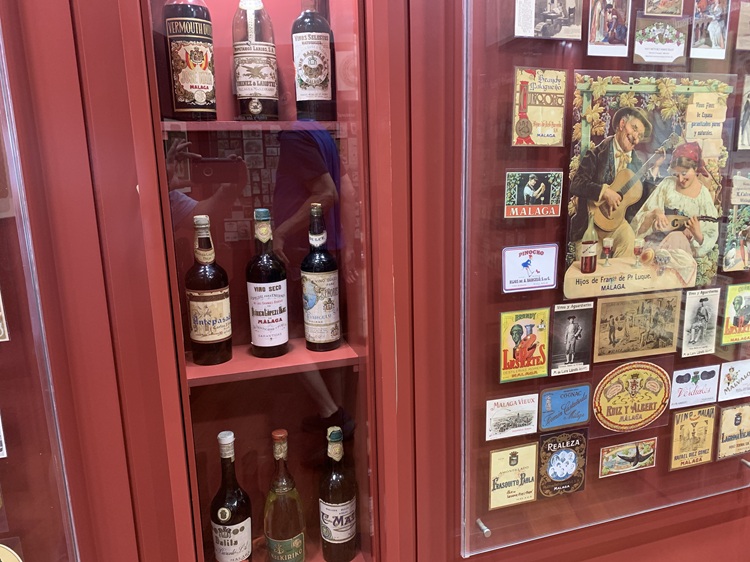
Another interesting local attraction was the Wine Museum, located only a block from our apartment. They displayed hundreds of wine labels spanning decades, explained how wine was made, and described the local wine regions and the varieties they produce.
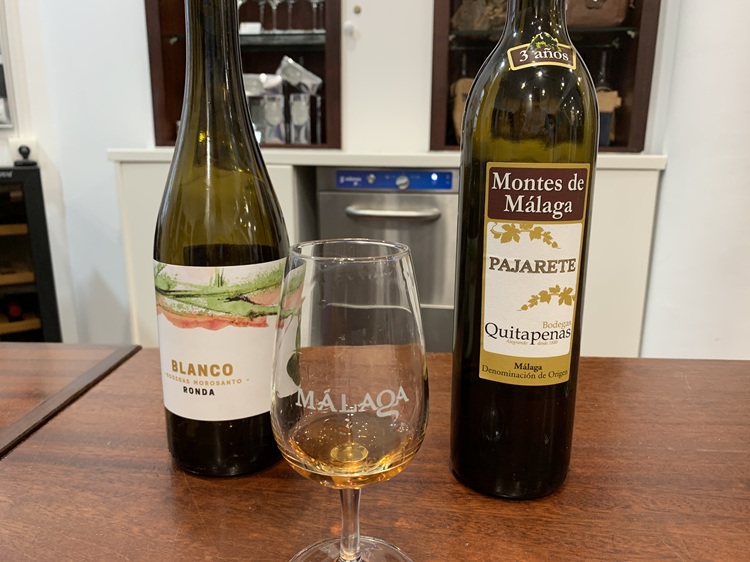
Our visit included two tastings. The second was a rich, flavorful wine that tasted almost like Port. We bought a bottle and enjoyed it during our remaining evenings in Málaga.
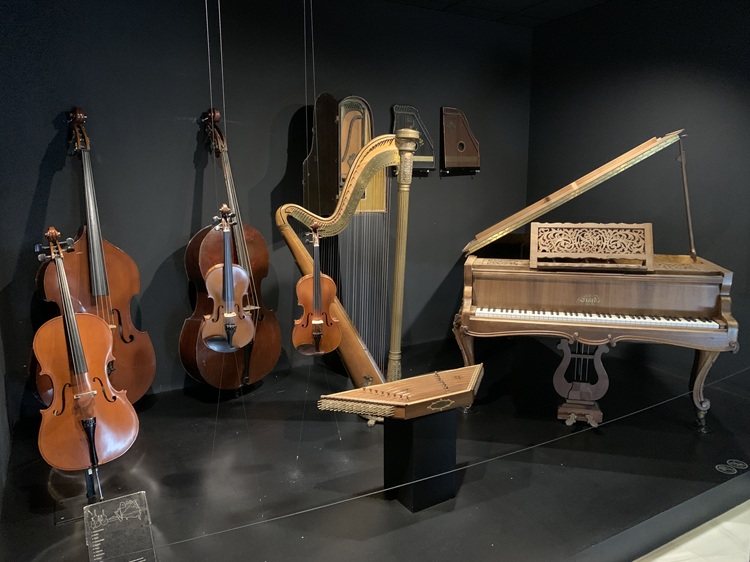
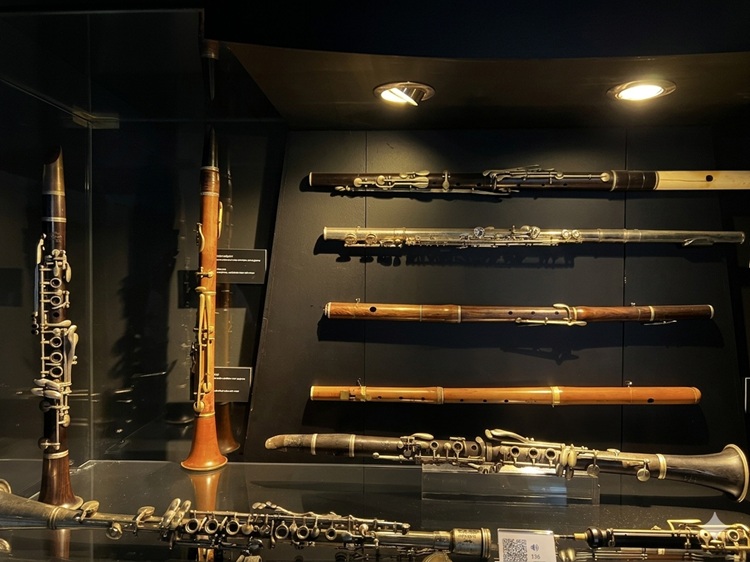
We visited the Museo Interactivo de la Música de Málaga (Interactive Music Museum in Málaga). While it was nowhere near as large or comprehensive as the Musical Instrument Museums in Phoenix and Brussels, it did have some interesting instruments. This museum was more focused on children, and they had some rooms with “banger” instruments that kids could play.
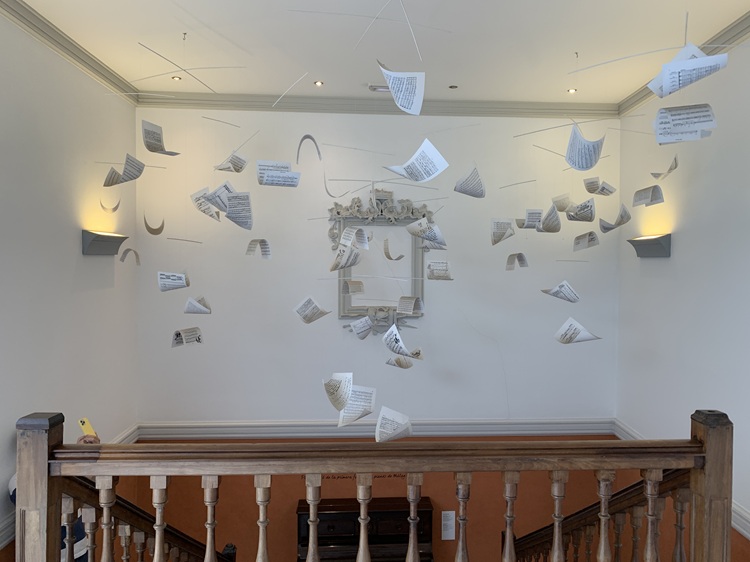
We enjoyed this whimsical installation in the stairwell. Any musician who has performed at an outdoor concert can relate.
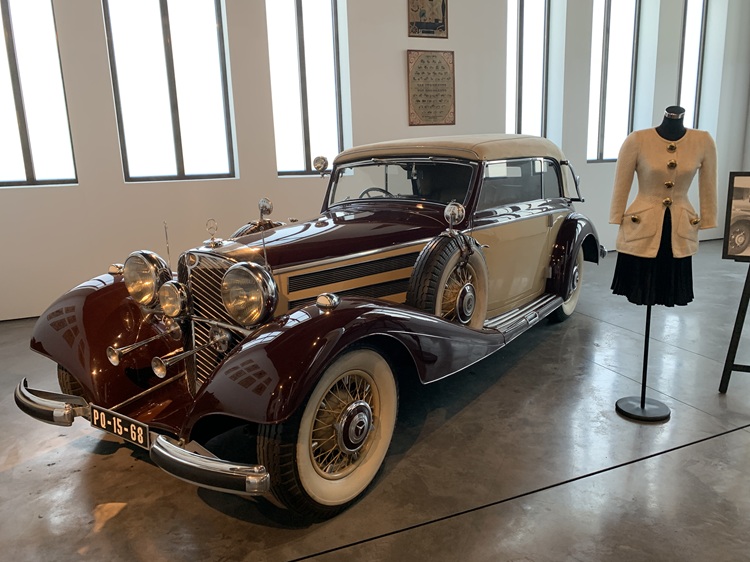
Our favorite local discovery was the Museo Automovilistico (Automobile Museum). While we haven’t been to that many auto museums, it’s difficult for us to imagine a museum more complete, well-curated, and well-presented than this. There were so many interesting automobiles from across the decades that we felt this museum should have a dedicated post, which you can enjoy here.
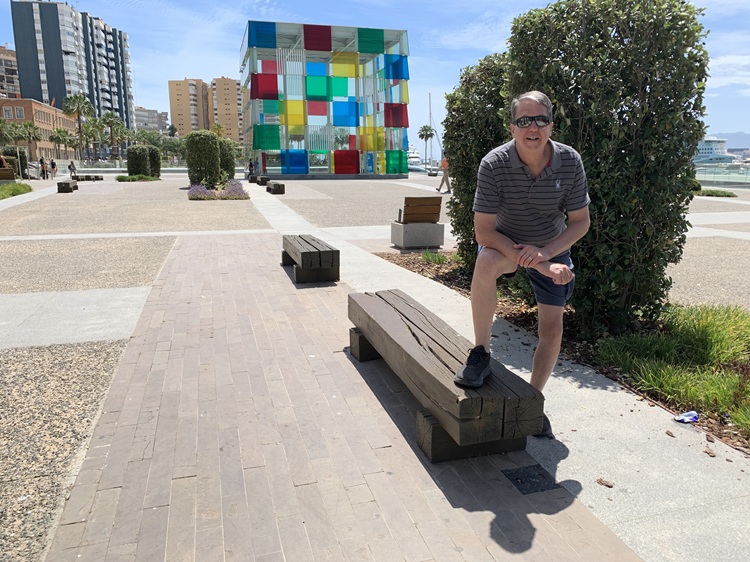
We visited the Pompidou Centre Málaga, a branch of the famous Pompidou Centre in Paris. The museum is located under the pavement you see here; only the colored glass cube hints at its existence. As we’ve stated before, contemporary art museums can be hit or miss. Sadly, this one was mostly a miss.
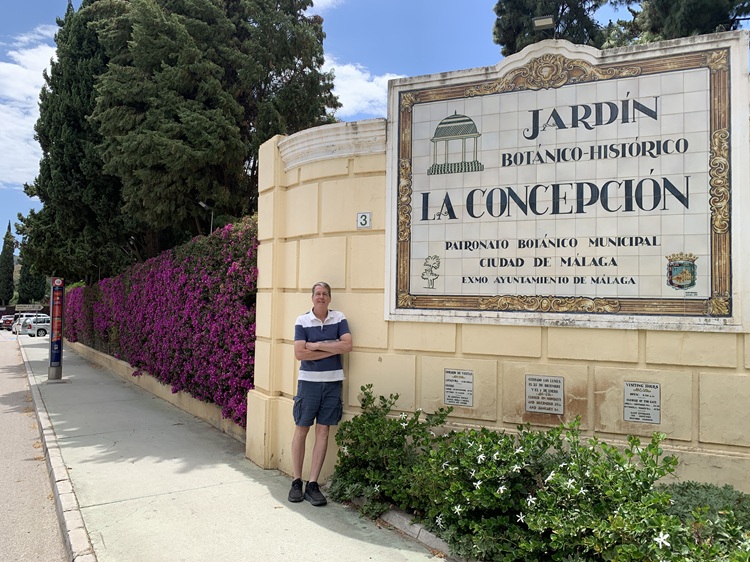
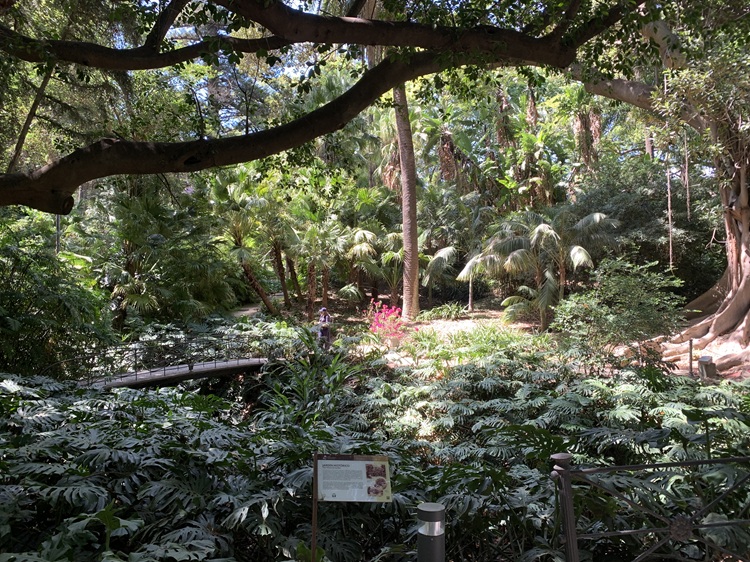
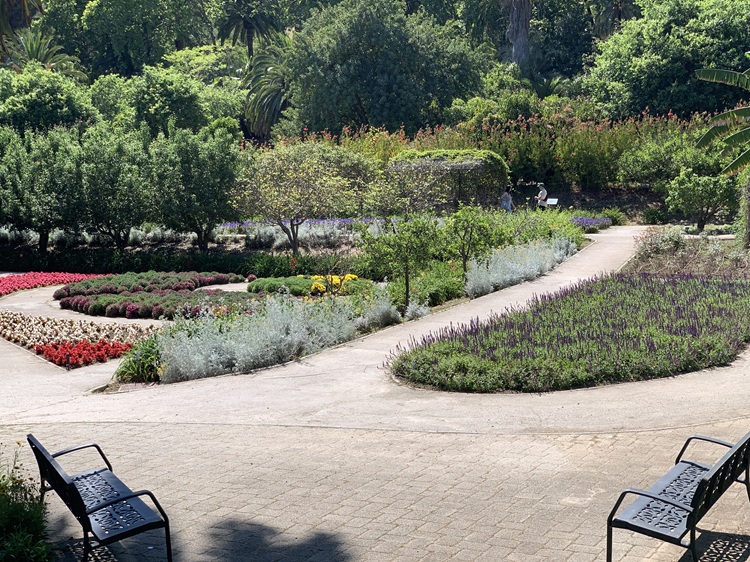
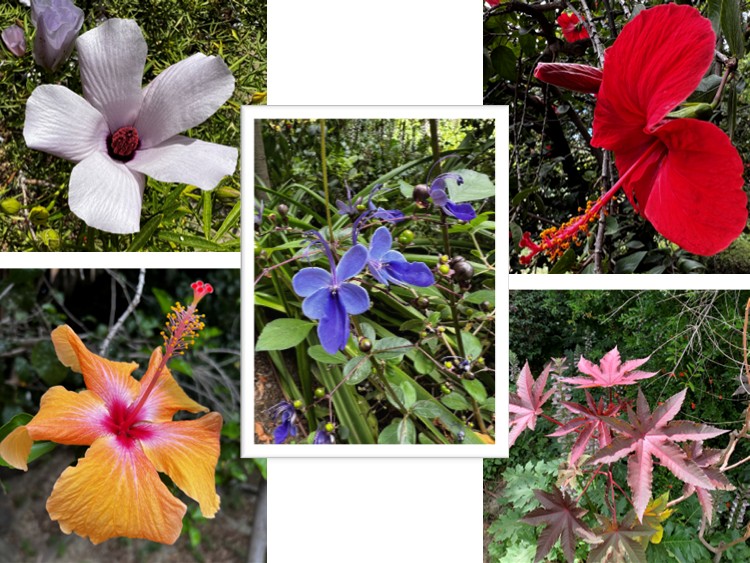
And what would a visit to a city be without a trip to its botanic garden? Málaga’s Jardin Botanico-Historico La Concepción, on the northern edge of town, wasn’t overly remarkable, but it was nice and worthwhile. The bus ride there and back allowed us to see more of the city beyond the old-town city center.
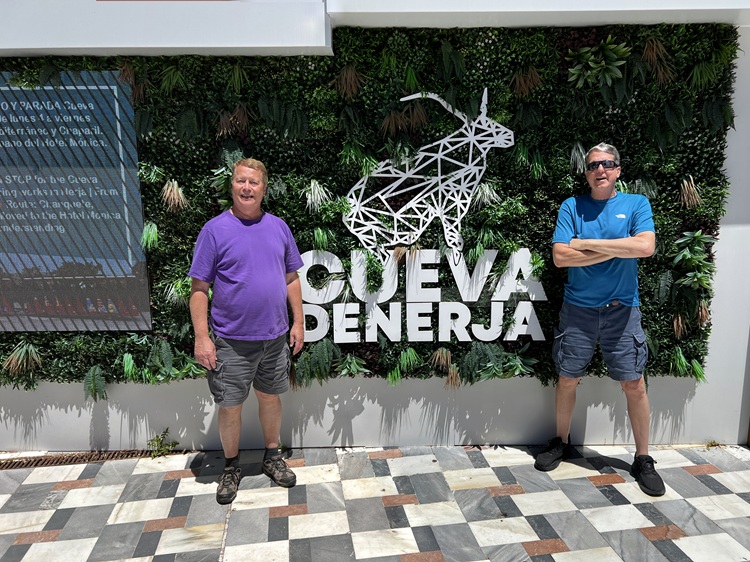
On our final day, we took a day tour to Nerja, a coastal town about an hour east of Málaga. We’ve seen Nerja and several other towns along the Costa del Sol mentioned as popular retirement destinations for expats, so we were curious to see what it was like.
Our first stop was a mountainous town called Frigiliana. Frigiliana reminded us of towns in Greece, with its white, tightly compressed buildings crowded along narrow, winding, hilly streets.
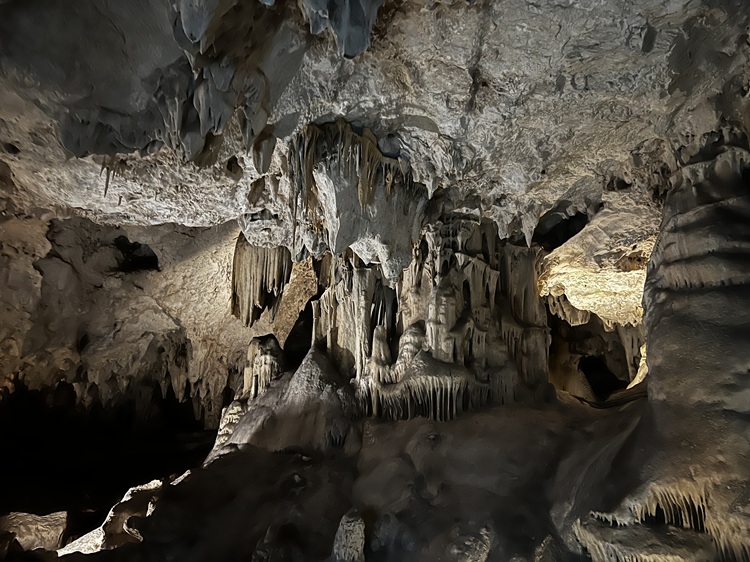
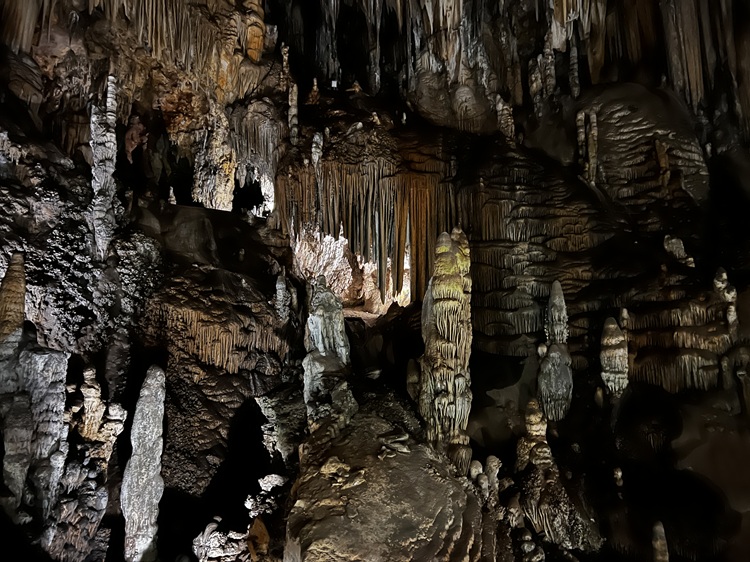
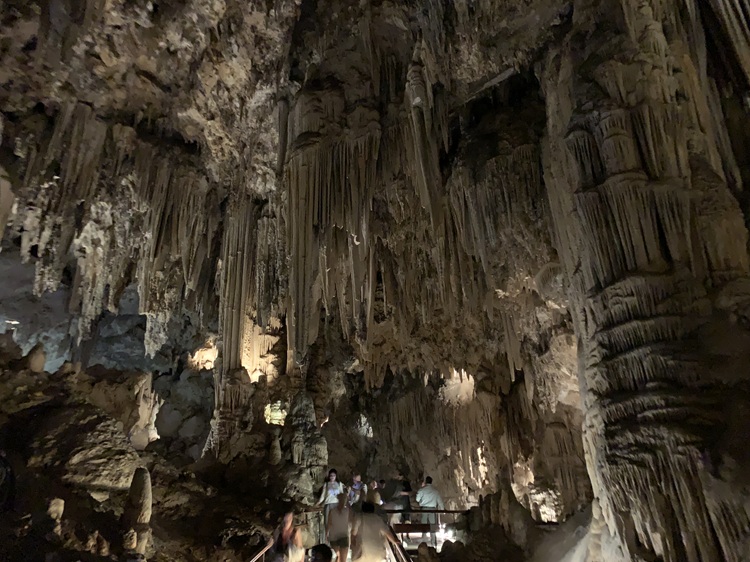
Next, we visited the Nerja Caves. They were impressive! Certainly one of the larger cave systems we’ve ever visited.
Our tour reached Nerja in mid-afternoon. We had two hours there, much of which was devoted to lunch on our own. We ate a sub-par pizza at the restaurant on the left in the photo below. At least the view was nice.
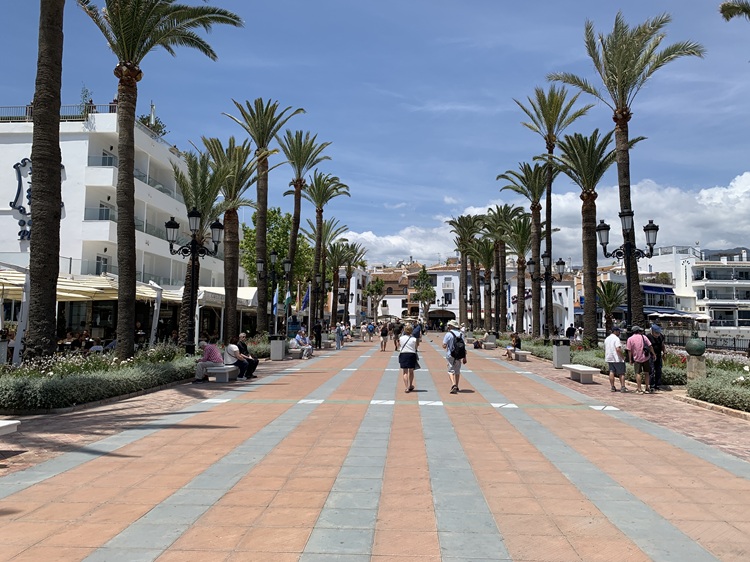

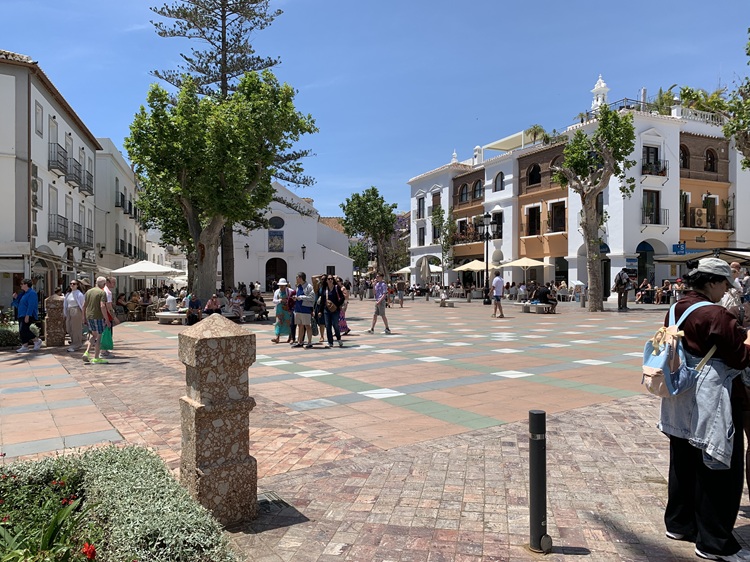
Nerja, its downtown, and its coastline were beautiful. It would be a nice place for a short beach vacation, but it wouldn’t be our idea of a great place to live in retirement. That’s true of most vacation destinations.
We enjoyed some delicious food in Málaga, although the food scene required some adaptation from what we’re accustomed to in the US and many other places. Since the weather is usually conducive to outdoor dining, street scenes like this with abundant sidewalk cafes are common.
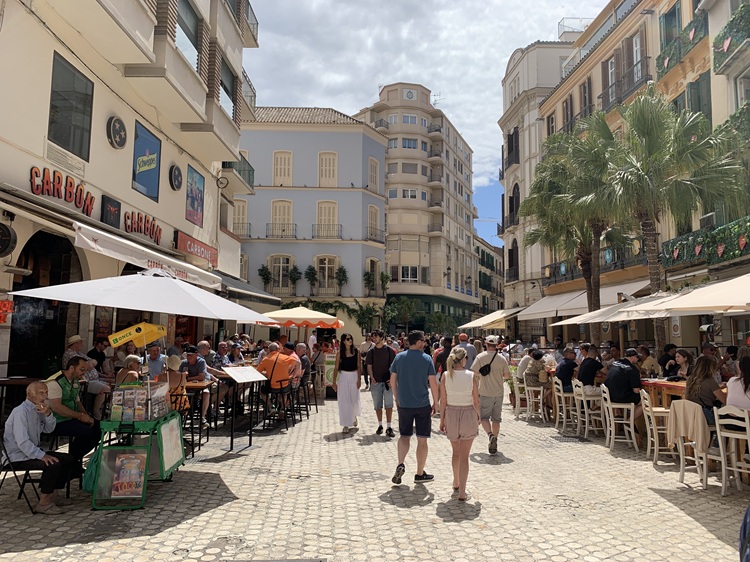
The Spanish eat dinner at 8:00 or later. Restaurants such as these serve tapas (small plates) from lunchtime through the late afternoon. People gather in these cafes for beer or wine and one or two plates of tapas.
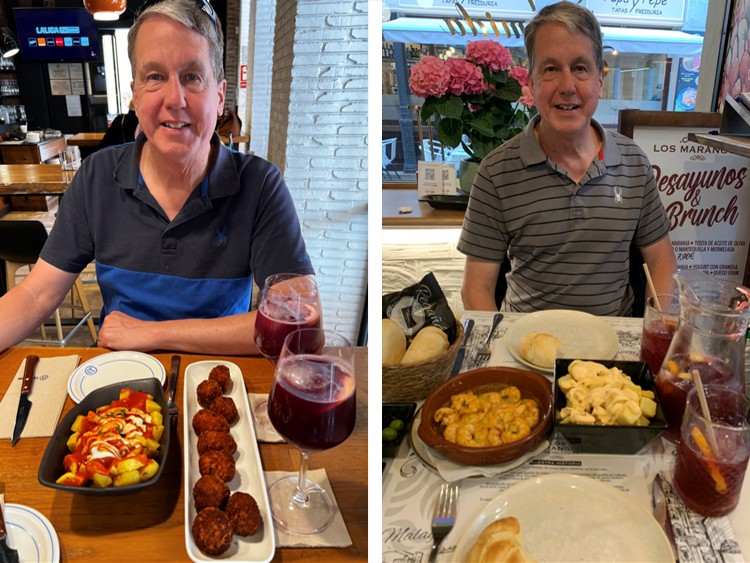
The photo on the left shows our lunch one day when we were downtown. That’s patatas bravas (lightly browned baked potato bites with sauce) and an assortment of croquettes. The drink was our first taste of Tinto de Verona, which is red wine mixed with a lemon-lime soda. It’s light and refreshing.
You can order tapas for dinner, too. One evening, after eating a late lunch, we wanted a smaller dinner, so two tapas seemed about right. We enjoyed sizzling shrimp in a garlic/butter sauce and patatas bravas. The bread was provided to sop up the liquid from the sizzling shrimp. The small bowl of green olives (left) was a complimentary addition. The pitcher of sangria rounded out the meal nicely!
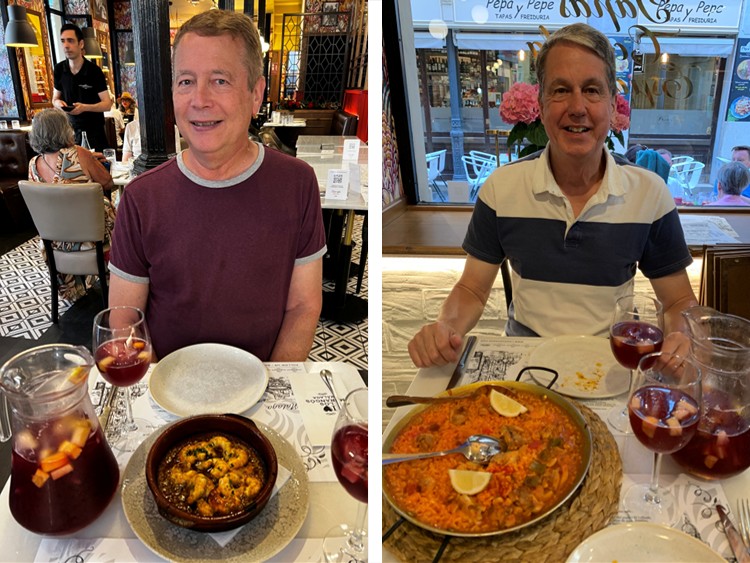
On another evening at the same restaurant, we ordered the sizzling shrimp as a starter and paella and sangria for the main course.
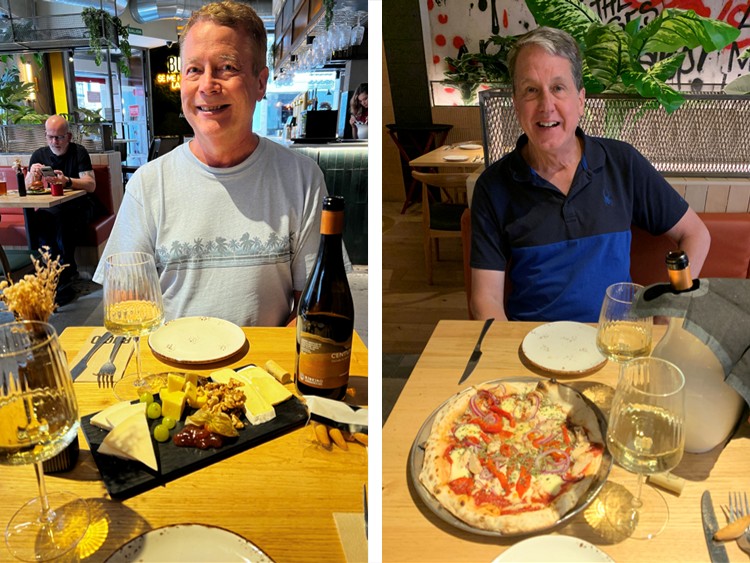
Another evening, we enjoyed a nice cheese assortment and a pizza. This restaurant was a short walk from our apartment, and we ate there three times. While there were plenty of restaurants, it was challenging to find restaurants with menus that appealed to both of us. Plus, many didn’t start serving dinner until 8:00. While it might have been nice to try more places, we decided to stick with the winners rather than risk a disappointing meal.
Málaga was nice. When most people think of cities to visit in Spain, they think of Barcelona, Sevilla, and Madrid. Málaga flies below the radar, but we thought it had plenty to offer. And aside from the Gilbralfaro Castle, the Alcazaba, and the Picasso Museum, it wasn’t over-touristed. We enjoyed our four days there, which was about right.