
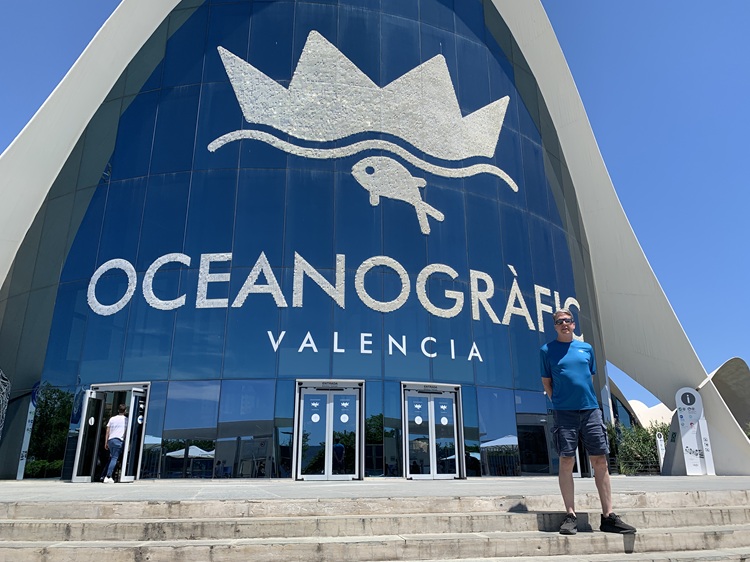
Our final destination in Spain was Valencia, a sunny city on Spain’s east coast. Besides being the birthplace of paella, it’s famous for the futuristic, jaw-dropping City of Arts and Sciences (Ciutat de les Arts i les Ciències). The City of Arts and Sciences is devoted to scientific and cultural dissemination, and consists of six structures: the Science Museum, an innovative centre of interactive science; Oceanogràfic, the largest aquarium in Europe; the Palau de les Arts, a performing arts centre; Hemisfèric, a dome-shaped auditorium for IMAX cinema and digital projections; the Umbracle, a landscaped park above a parking garage; and the Ágora, which hosts the CaixaForum.
We devoted our first full day in the city to exploring the Science Museum, Oceanogràfic, Hemisfèric, and the Umbracle.
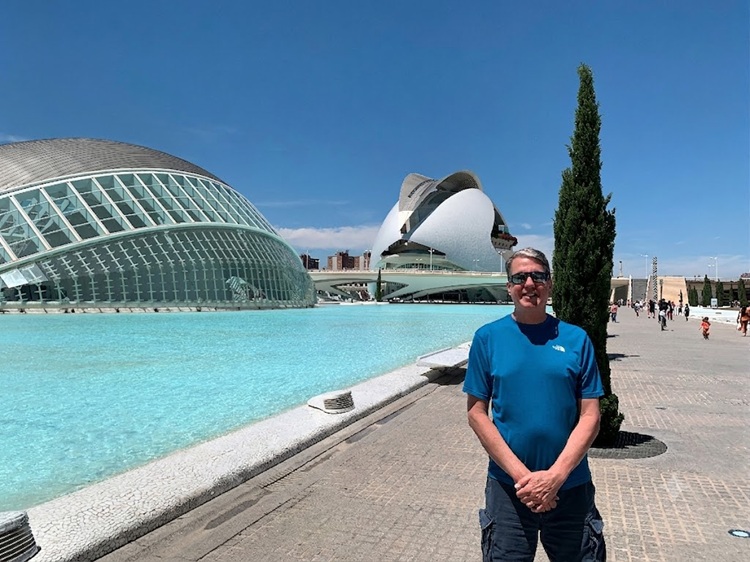
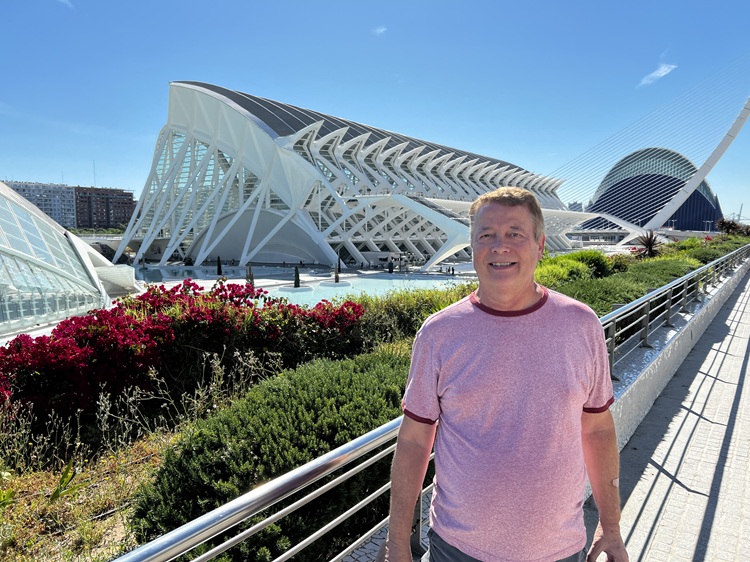
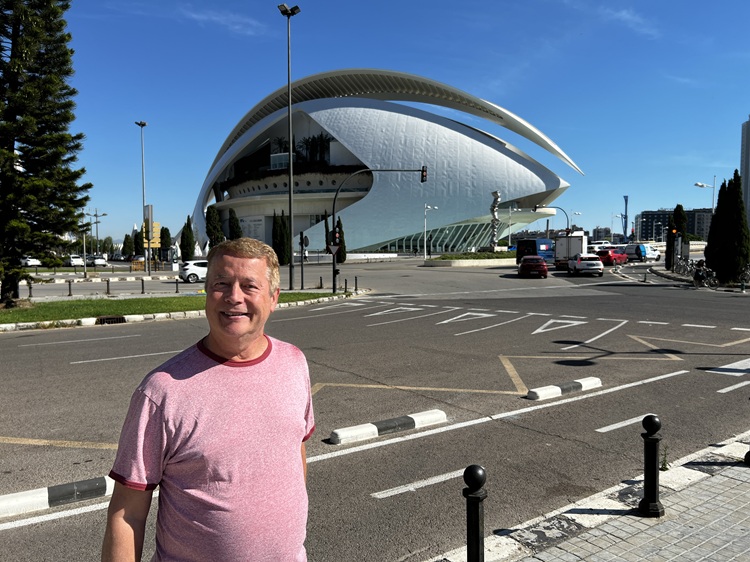
As interesting and enjoyable as the exhibits within these buildings were, the buildings themselves were the most impressive aspect of the experience. Hemisfèric, on the left, was designed to suggest a human eye. The Palau de les Arts is in the background.
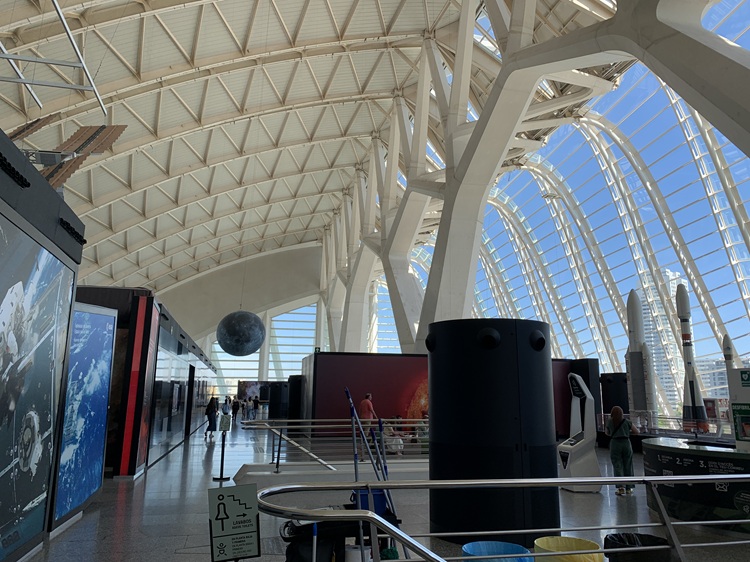
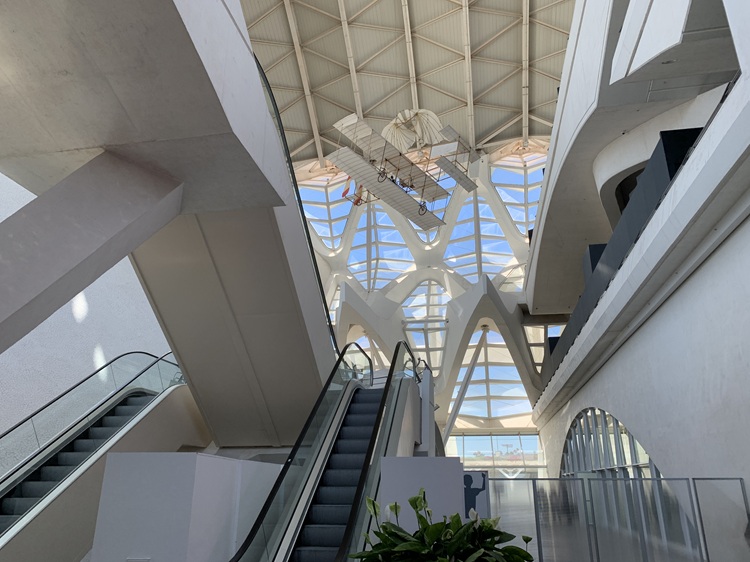
The Science Museum housed a variety of interactive science exhibits, targeted to age groups from elementary students to adults.
The Palau de les Arts.
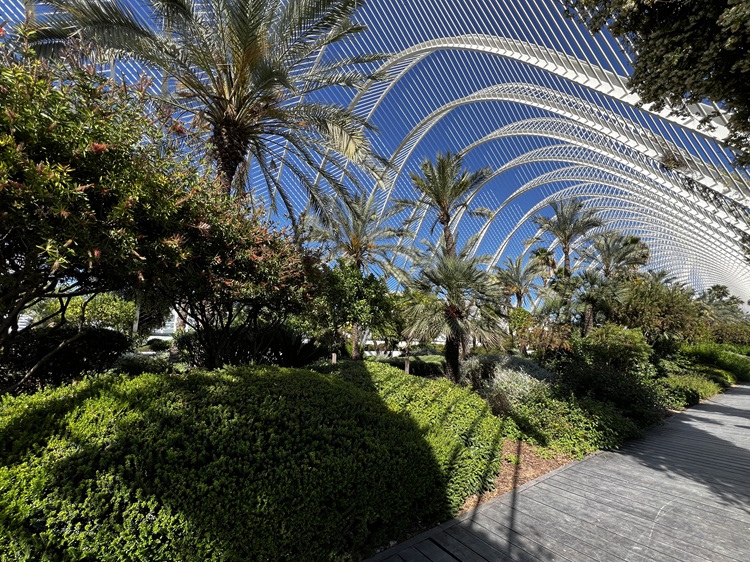
The Umbracle is a lengthy park built above the parking garage.
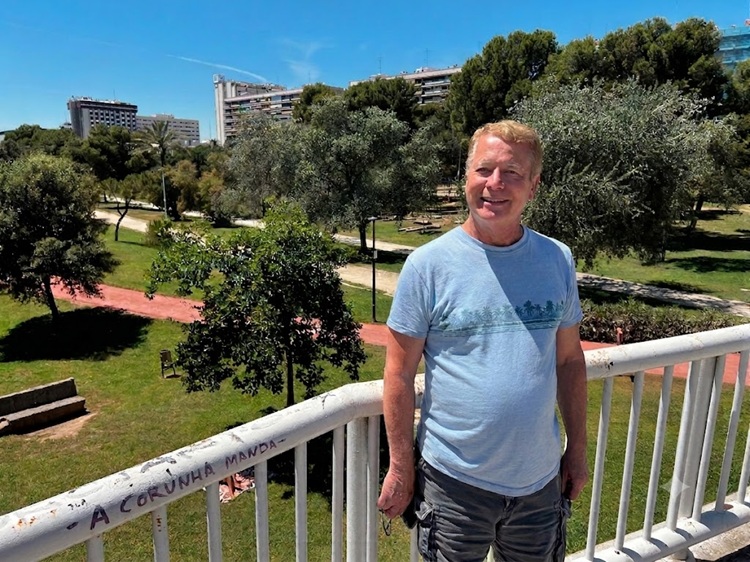
The City of Arts and Sciences is located in what was once the Turia River.
In 1957, Valencia experienced a devastating flood. Nearly three-quarters of the city was inundated by floodwater, and over 60 people lost their lives. The following year, the city adopted a plan to divert the river around its western outskirts to the Mediterranean Sea. That work was completed in 1969.
The city’s original plan was to construct a highway in the former riverbed to relieve traffic congestion. This plan was met with strong opposition from citizens, who demanded that the riverbed be converted into parkland.
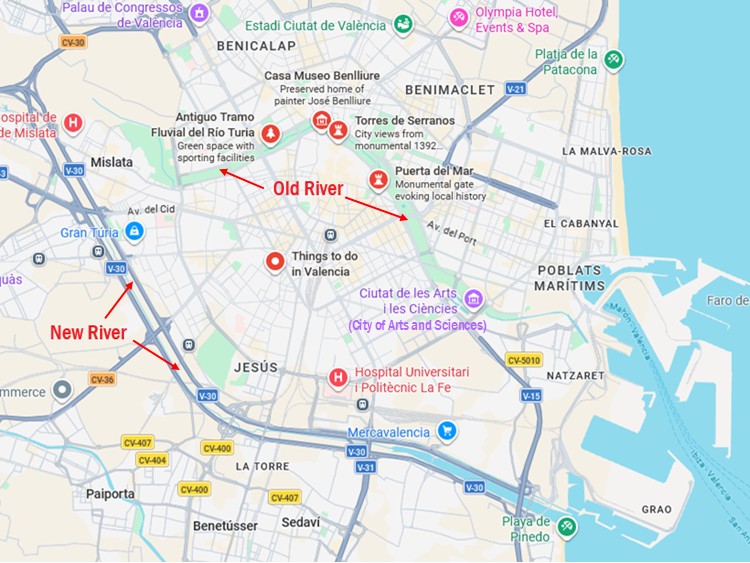
The resulting design established a five-mile-long park with an average span of 600 feet from bank to bank. The park is divided into 18 zones and comprises over 450 acres, with bike paths, event spaces, active recreation fields, fountains, and many notable structures. The buildings of the City of Arts and Sciences were completed between 1998 and 2009.
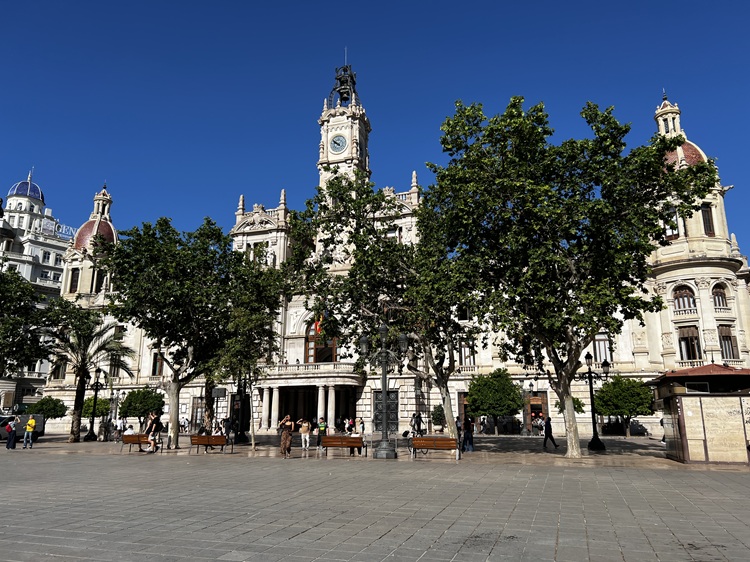
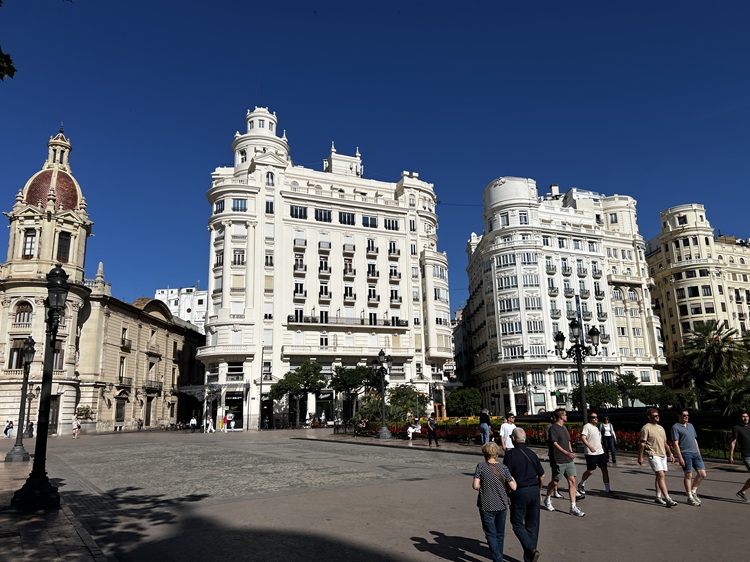
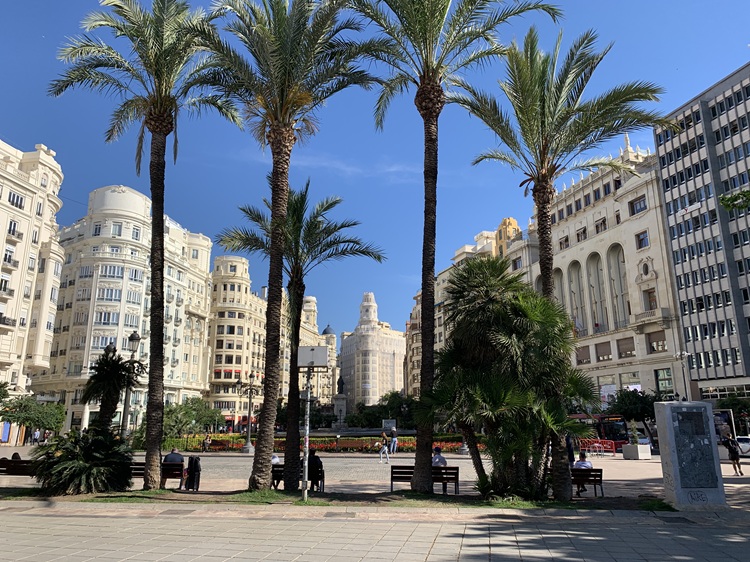
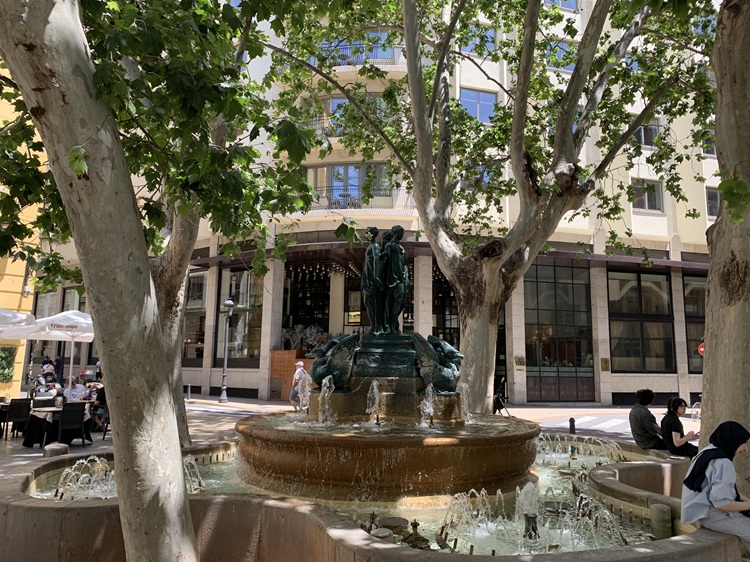
Downtown Valencia is open and vibrant, with beautiful architecture.
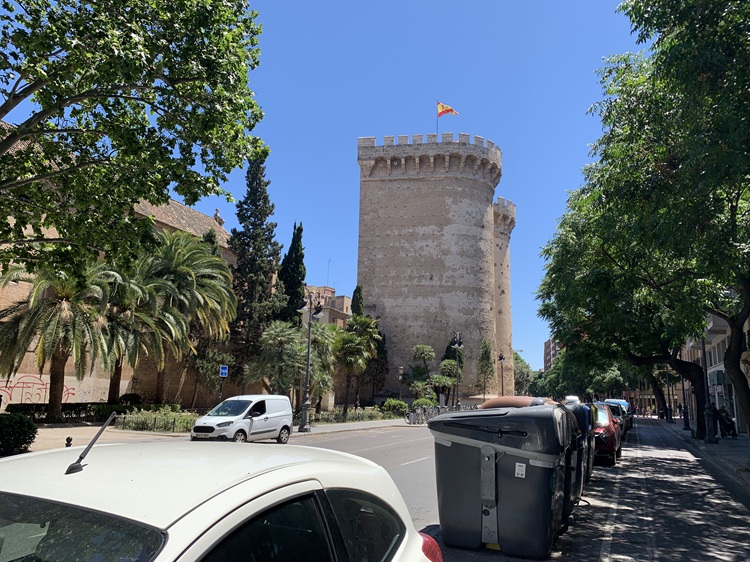
The Quart Towers are part of the old city wall.
We enjoyed many of the works on display at the Institut Valencià d’Art Modern (IVAM).
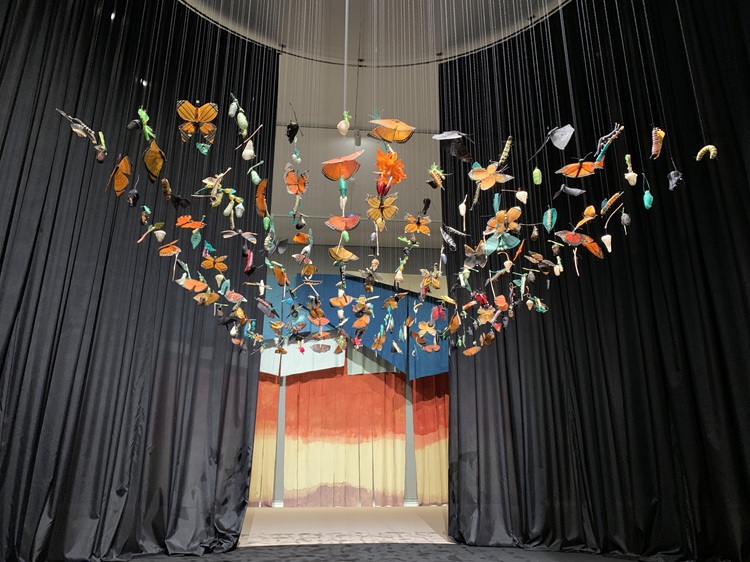
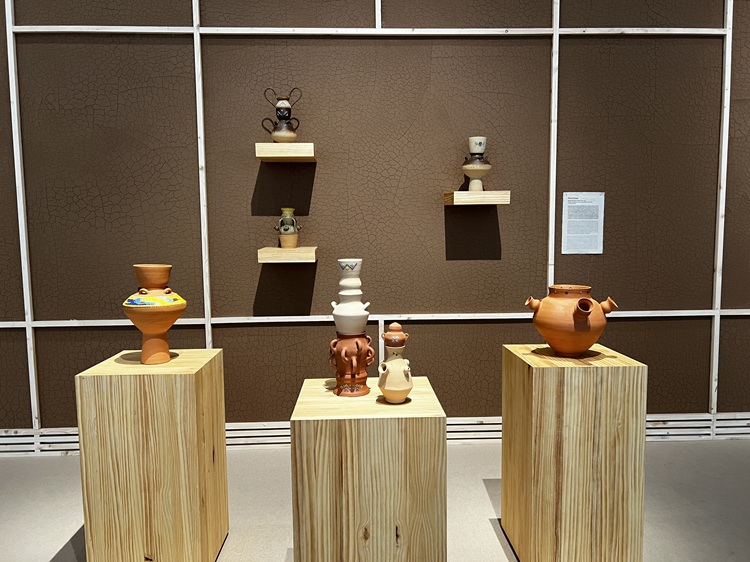
The Hortensia Herrero Art Center houses the Spanish billionaire’s private contemporary art collection.
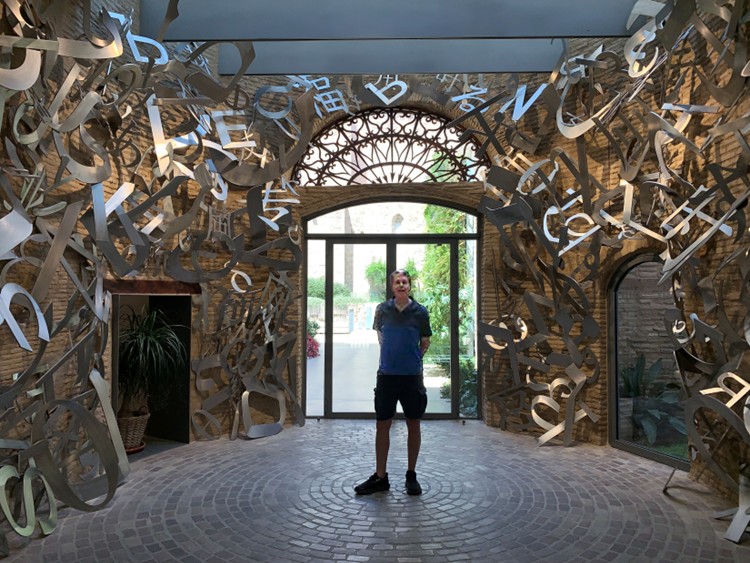
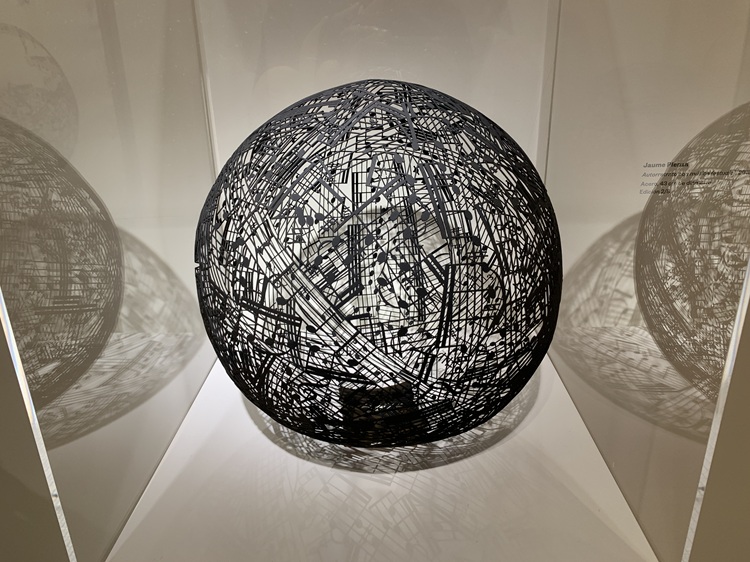
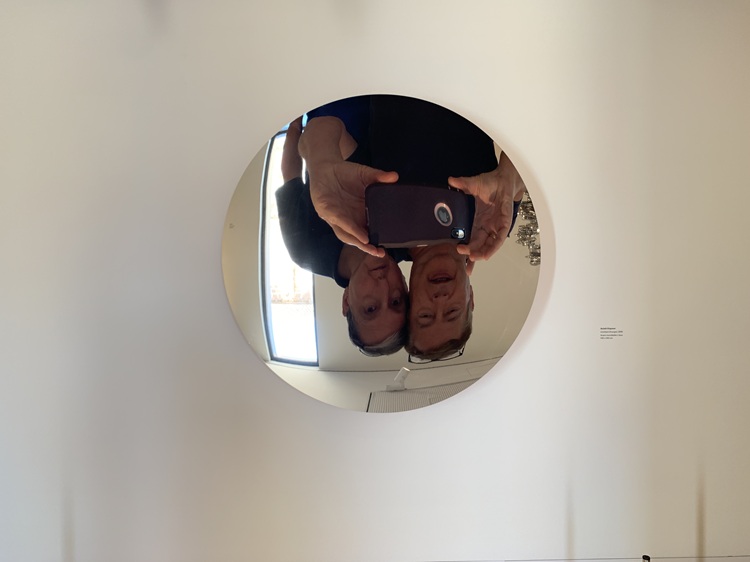
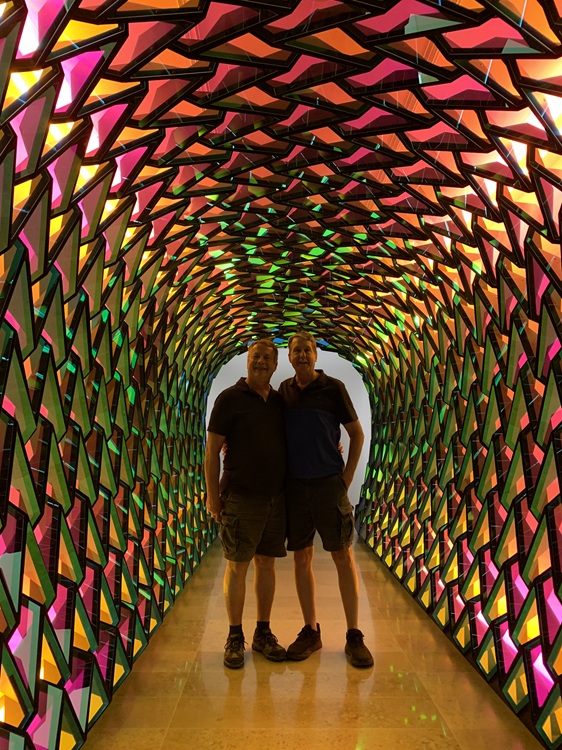
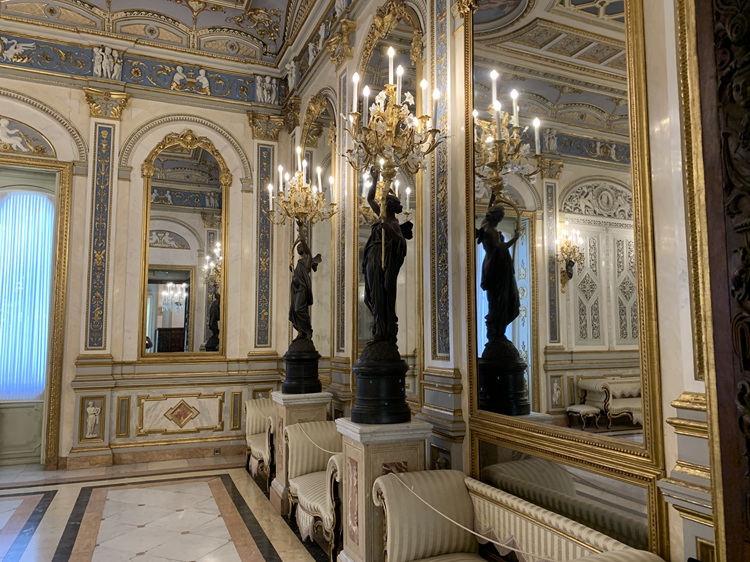
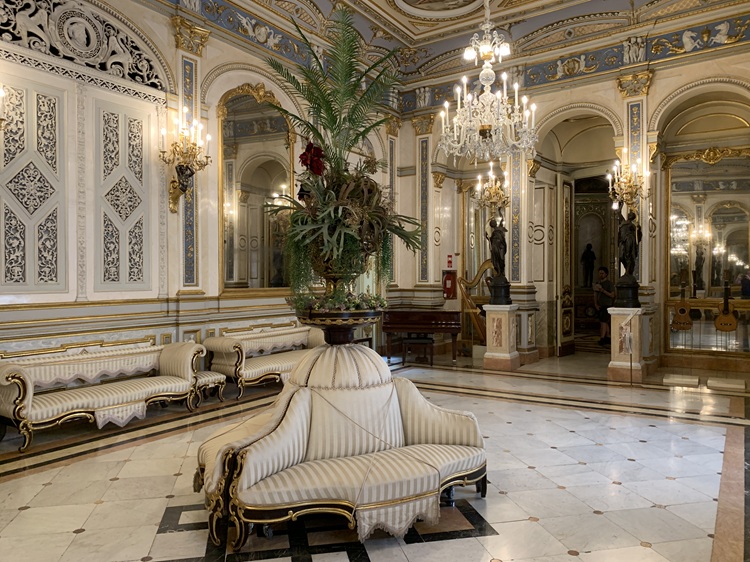
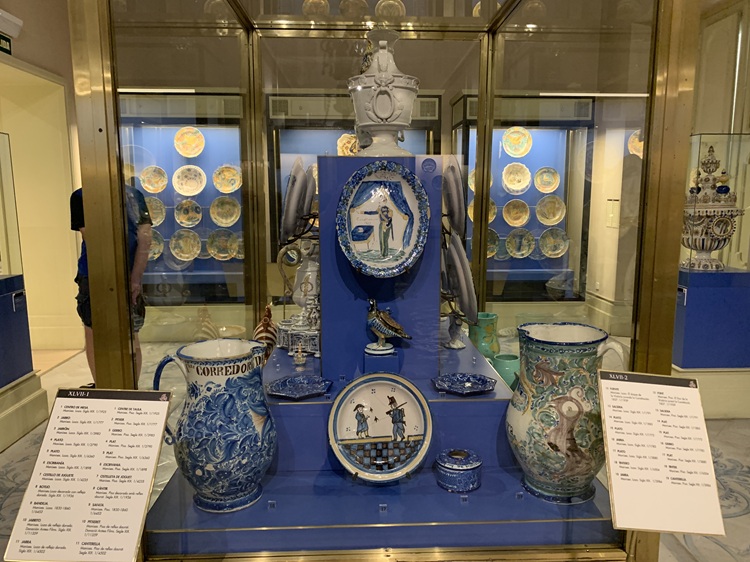
The Museo Nacional de Cerámica y Artes Suntuarias, a palace museum with an ornate 18th-century exterior, houses vast collections of ceramics and artworks.
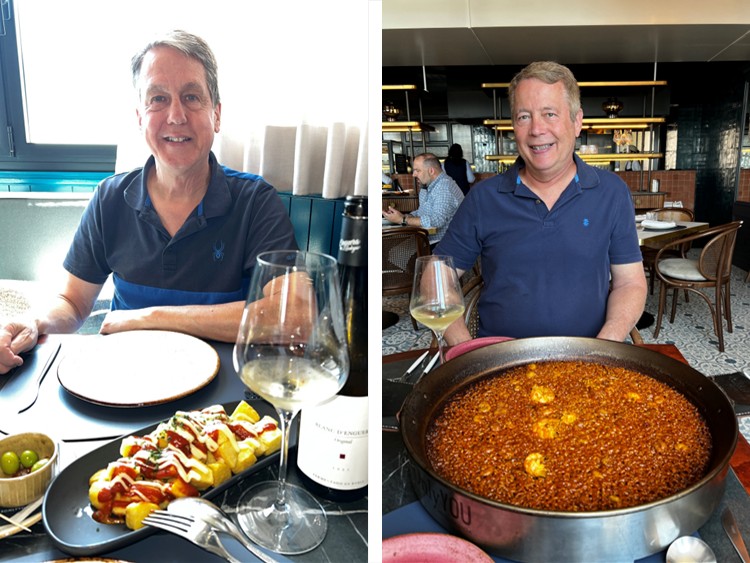
While we have enjoyed delicious paella (saffron-infused rice cooked in a wide, shallow pan with various ingredients such as seafood, chicken, chorizo, and vegetables) throughout Spain and Portugal, we eagerly anticipated trying paella made in Valencia, its city of origin. After searching the internet for recommendations for where to find the most authentic paella, we chose El Mirador de Only YOU, a restaurant on the top floor of a luxury hotel downtown. (Only YOU was the name of the hotel.) We learned that Valencians usually eat paella for lunch, so we arrived promptly when the restaurant opened at 1:00.
Most seafood paella (Paella de Marisco) is served with unshelled prawns, which are messy to eat. We learned that Arroz del Senyoret (or “Gentleman’s Paella”) gets its name because the shrimp is served peeled and deshelled, saving us from messy fingers. So we ordered that. Since our waiter informed us that it would take 25 minutes to prepare, we ordered patatas bravas as an appetizer. The restaurant also provided green olives and potato chips.
The paella did not disappoint! It had the strongest seafood taste of any we’ve ever eaten. Jeff said, “It tastes like the ocean,” and surmised it was cooked in fish broth. Aside from being salty, it was delicious. The bottom layer and the edges were dry and crispy, a desired outcome called “socarrat.”
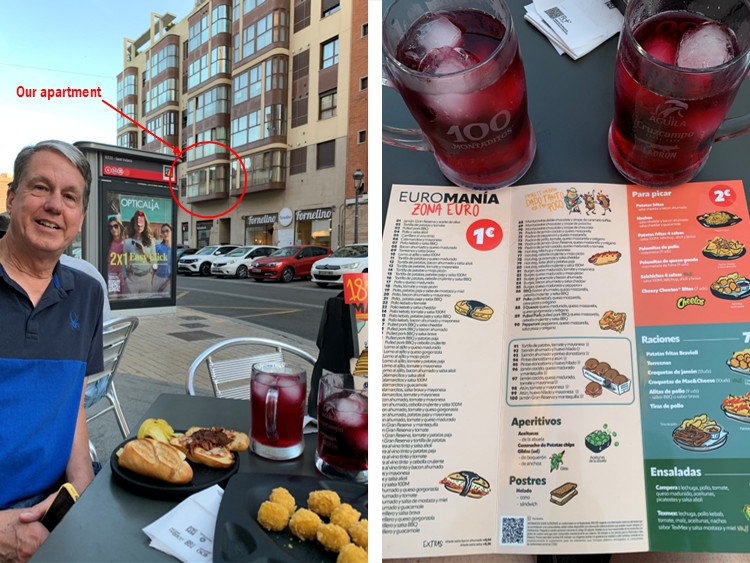
Since we ate a big meal for lunch, we weren’t very hungry at dinner time. So we walked across the street to 100 Montaditos, a popular restaurant/bar chain with over 350 locations across Spain. It’s known for its 100 varieties of small, freshly baked sandwiches costing 1€ each. (Montadito means “small sandwich.”) It’s low-brow and inelegant, but the small sandwiches and cheese bites we tried were actually pretty good, especially for the price. While beer on tap was the most commonly consumed beverage, we opted for Tinto de Verano (wine and lemon-lime soda) to wash down our food.
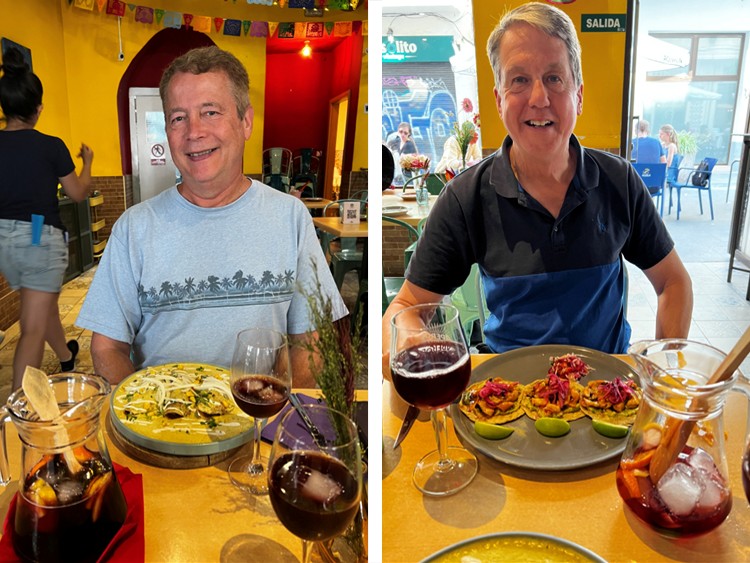
Another restaurant near our apartment that we enjoyed was La Chingada, a Mexican restaurant. (Click on Google Translate if you dare!)
Dave ordered the Enchilada Poblana, a corn tortilla stuffed with chicken and covered with poblano chile sauce and cream, while Jeff chose the shrimp and octopus tacos. Both were exceptionally good! The sangria was delicious, too. We returned another night, and both ordered the Enchilada Poblana.
While we enjoyed all of our destinations in Spain, we enjoyed Valencia the most. It was the most attractive to our tastes and seemed to be the most livable. We enjoyed the architecture, the culture, and the ambiance. Next: Montpellier, France.